
10 Removable Rental Upgrades That Make an Apartment Feel Like Yours
Each upgrade comes with a deposit-risk rating and a way to reverse it, so you can personalize with confidence.
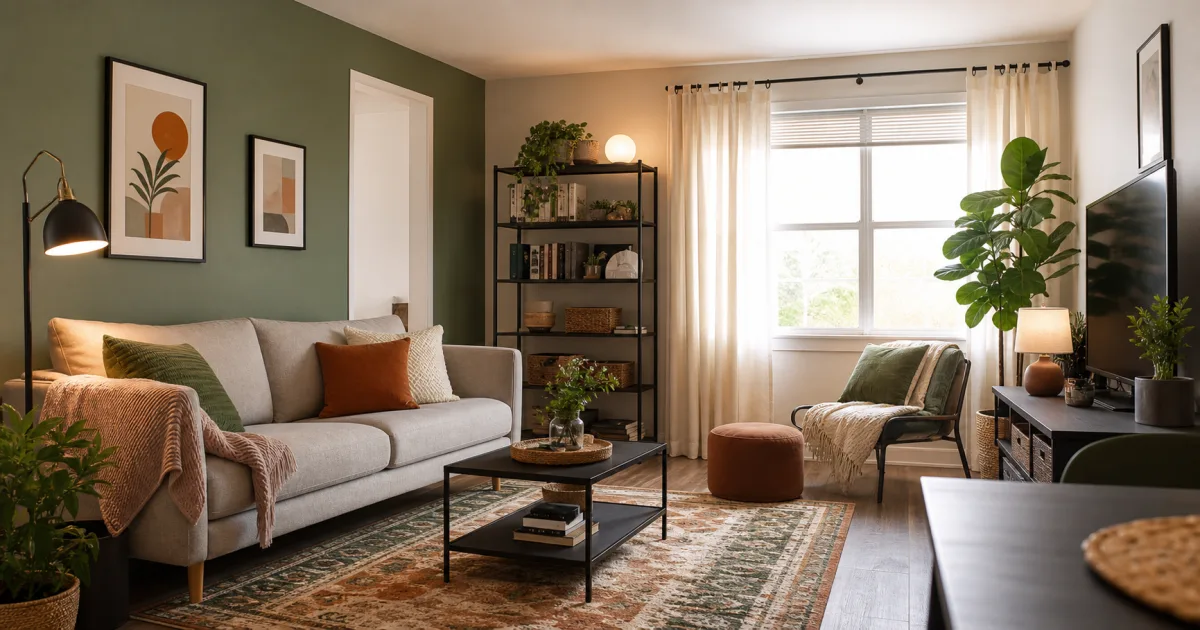
A rental feels like a hotel room when nothing in it says anything about you. The usual advice, paint the walls and swap the fixtures, is exactly what a lease often forbids. What works is a short list of upgrades that look permanent but come off cleanly.
Below are ten, each with a deposit-risk rating, how to reverse it and a step-by-step protocol for protecting your deposit. Start with the first three, which have the most impact and the least risk.
Removable Rental Upgrades: Quick Answer
- Plug-in lighting and warm bulbs
- A large rug over the flooring
- Full-length curtains
- Peel-and-stick wallpaper accent
- Adhesive hooks and leaning art
- Swapped cabinet hardware
- Peel-and-stick tile
- Showerhead and faucet swaps
- Freestanding storage
- Window film
The one rule: photograph first, keep the originals, and only use upgrades you can fully reverse.
The 5-Step Deposit Protection Protocol
- Read the lease for rules on nails, paint, adhesives and fixtures.
- Photograph everything with dated photos: every wall, floor, fixture and existing damage.
- Get permission in writing. An email is enough for most changes that are not obviously removable.
- Keep the originals. Store swapped hardware and fixtures in a labeled bag.
- Test small first. Try adhesives on a hidden spot and wait a few days.
Plug-In Lighting and Warm Bulbs
Deposit risk: lowImpact: high
Why it works: Harsh overhead light is the fastest way a rental feels cold. Layered lamps change the room in an evening without touching the wiring.
A Large Rug Over the Flooring
Deposit risk: lowImpact: high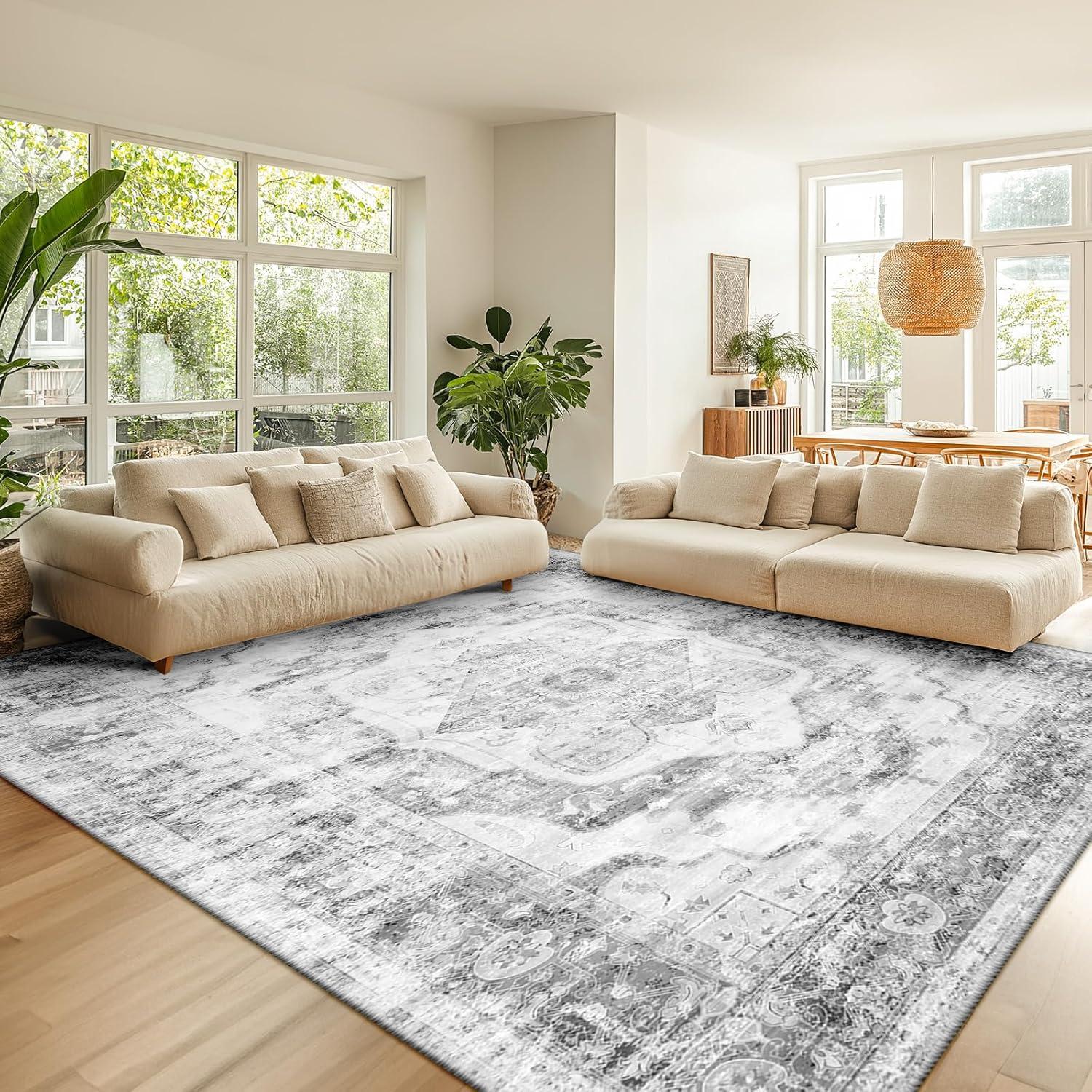
Why it works: A rug hides worn or builder-grade flooring and defines the seating area.
Full-Length Curtains
Deposit risk: lowImpact: high
Why it works: Curtains replace thin blinds, soften hard edges and make windows look bigger.
A Peel-and-Stick Wallpaper Accent
Deposit risk: mediumImpact: high
Why it works: One wall of pattern gives the room a focal point. Behind the bed or sofa, it works like a headboard.
Adhesive Hooks and Leaning Art
Deposit risk: mediumImpact: medium
Why it works: Art and mirrors are what make walls look personal, and adhesive strips avoid nail holes.
Swapped Cabinet Hardware
Deposit risk: mediumImpact: medium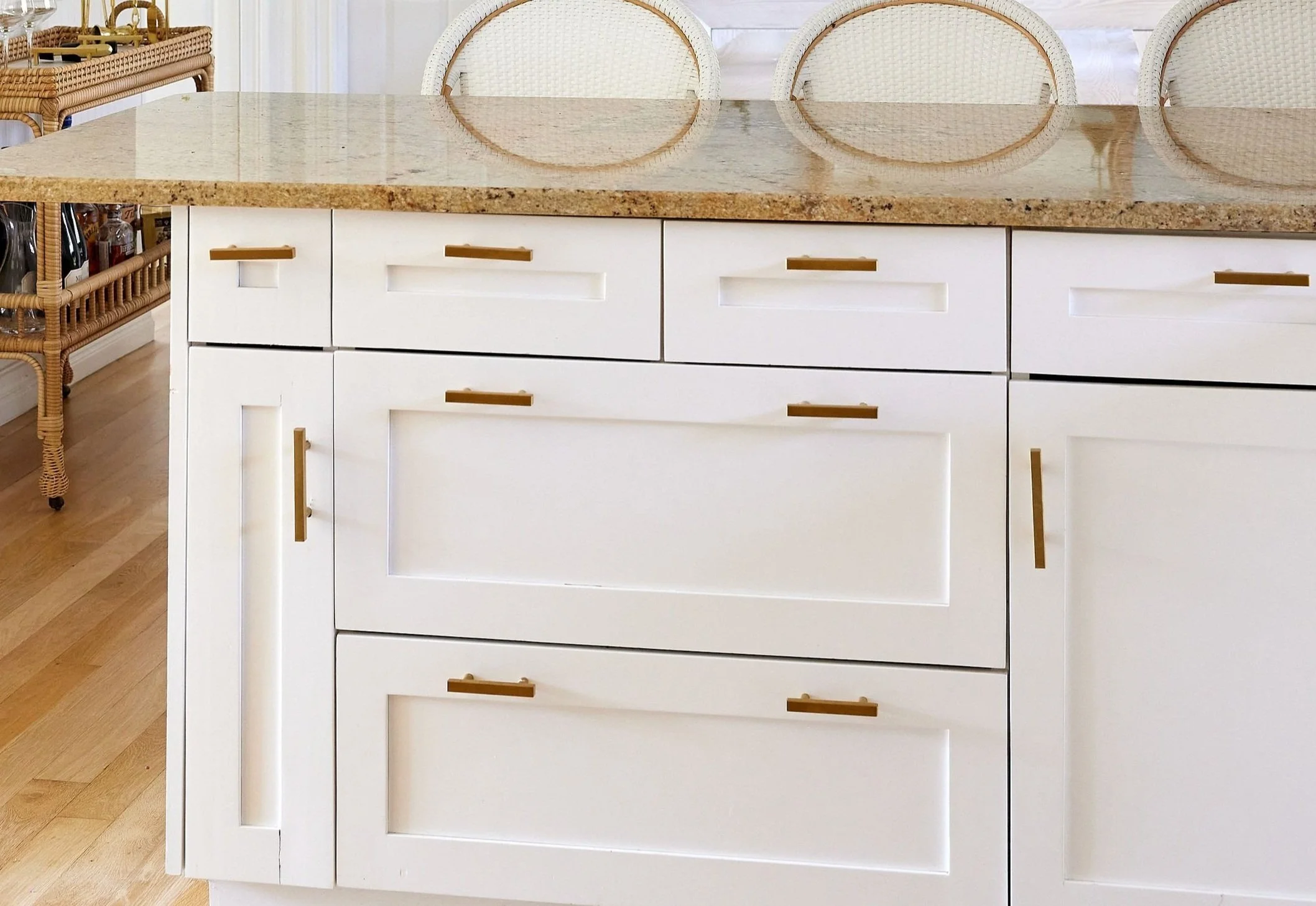
Why it works: New pulls change the look of a whole kitchen for a small amount of effort.
Peel-and-Stick Tile
Deposit risk: higherImpact: high
Why it works: A backsplash or floor tile replaces dated surfaces without grout or tools.
Showerhead and Faucet Swaps
Deposit risk: mediumImpact: medium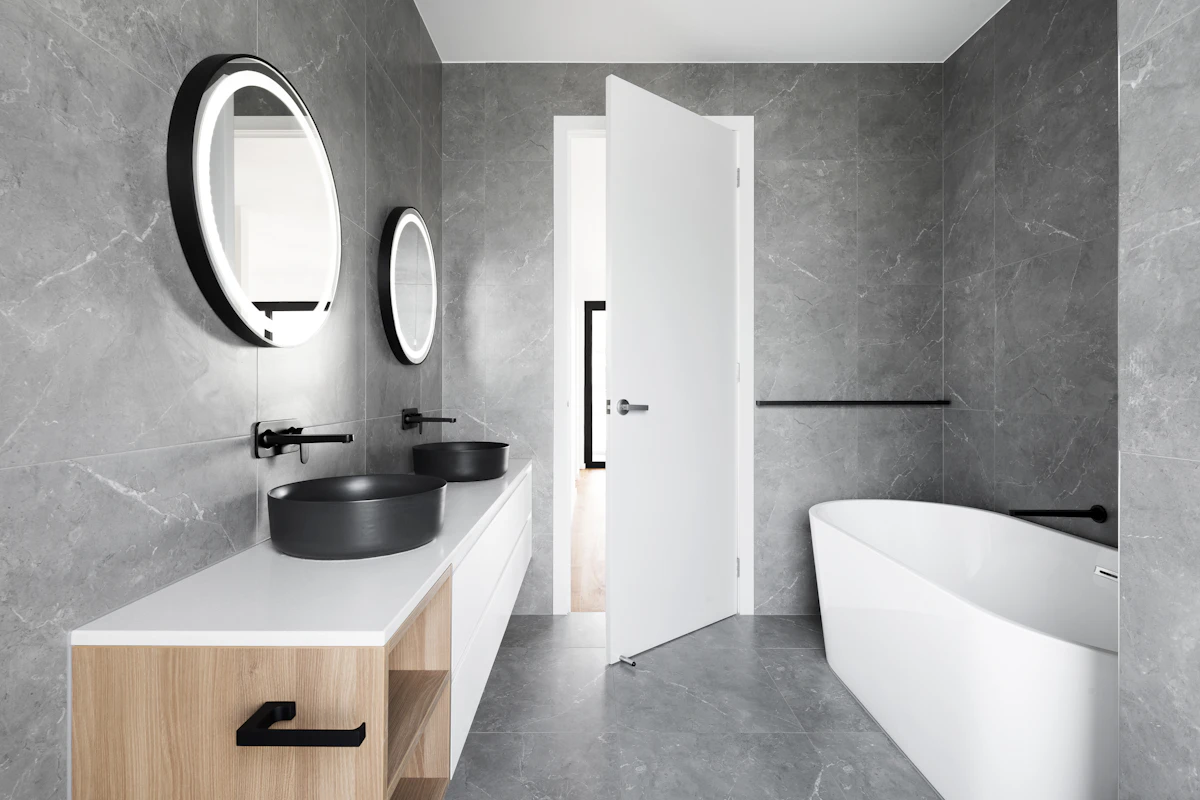
Why it works: A better showerhead is a daily upgrade, and the swap is reversible when you keep the original.
Freestanding Storage
Deposit risk: lowImpact: medium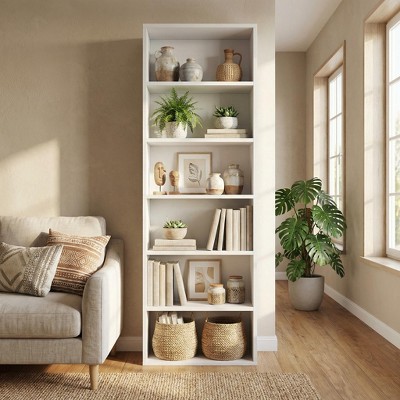
Why it works: Shelves, carts and cabinets give you storage with no wall holes.
Window Film
Deposit risk: lowImpact: medium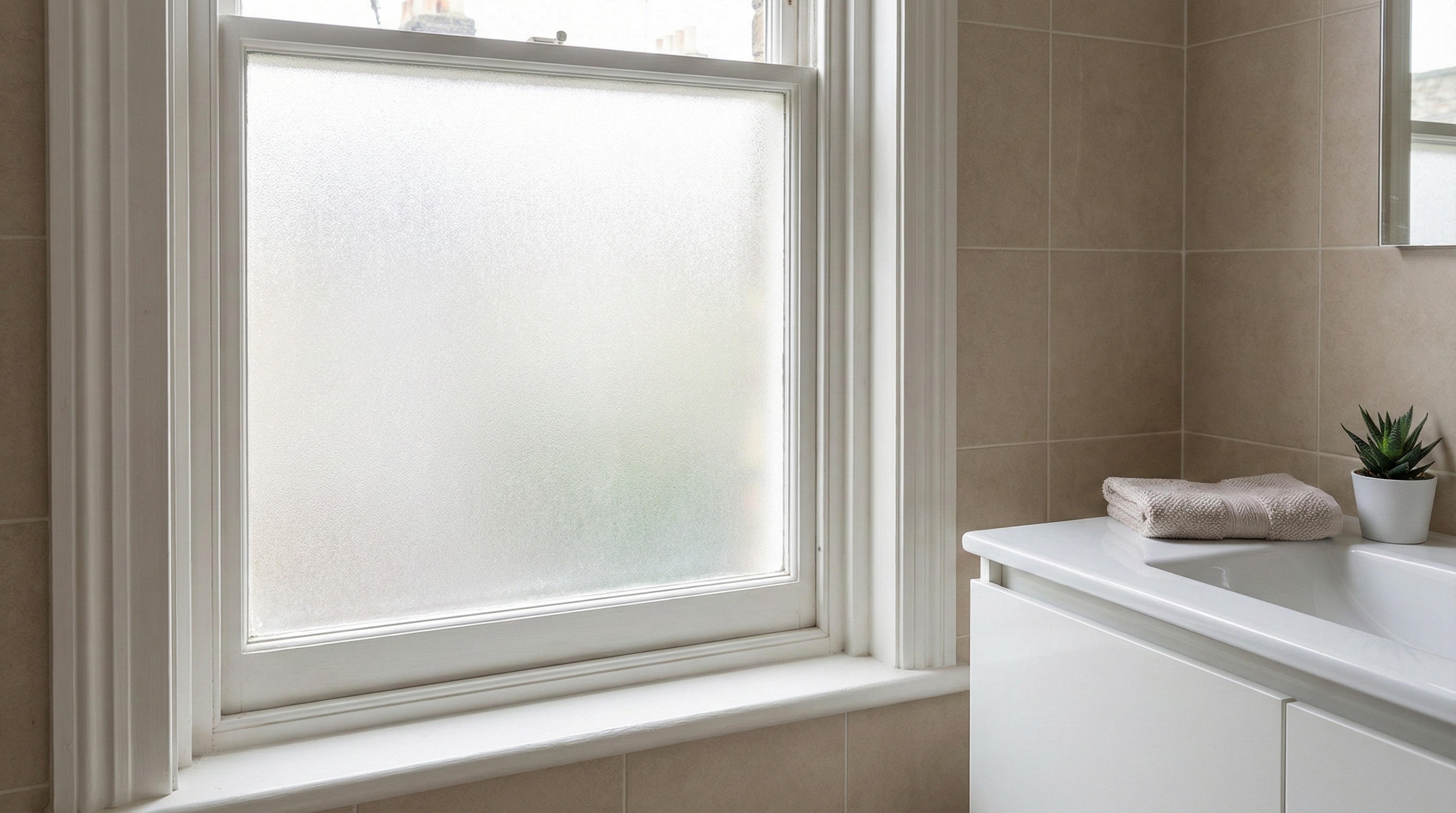
Why it works: Frosted or decorative film adds privacy and softens light, and static-cling versions peel off cleanly.
Risk and Impact Chart
| Upgrade | Deposit risk | Impact | How to reverse |
|---|---|---|---|
| Plug-in lighting | Low | High | Unplug |
| Rug | Low | High | Roll up |
| Curtains | Low | High | Remove hooks or rod |
| Wallpaper accent | Medium | High | Peel slowly, with heat |
| Adhesive hooks | Medium | Medium | Pull tab down slowly |
| Cabinet hardware | Medium | Medium | Reinstall originals |
| Peel-and-stick tile | Higher | High | Peel with heat |
| Showerhead | Medium | Medium | Reinstall original |
| Freestanding storage | Low | Medium | Move out |
| Window film | Low | Medium | Peel off |
Move-Out Checklist
- Reinstall all stored hardware, showerheads and fixtures.
- Remove adhesives slowly, and clean any residue.
- Take dated photos of every wall and floor.
- Compare them with your move-in photos and the lease.
Rental Upgrades FAQ
How can I make a rental feel like home without losing my deposit?
Choose fully reversible changes, such as lighting, rugs, curtains, adhesive hooks and peel-and-stick products. Read your lease, photograph the unit first and get written permission for anything uncertain.
Does peel-and-stick wallpaper damage walls?
It can on textured, cheap or freshly painted walls. Flat, smooth, well-cured paint is safest. Test a hidden patch first.
Are adhesive hooks and strips safe for painted walls?
Usually, if you follow the weight rating and instructions and remove them slowly. They can still pull paint off weak surfaces, so test first.
Can I change light fixtures in a rental?
Not hardwired ones without written permission. Use plug-in sconces, lamps and new shades, and store any original you swap.
How do I hide ugly carpet or flooring in a rental?
Layer a large rug over it, such as an 8x10 or 9x12, with a non-staining pad. Peel-and-stick floor tile is an option if allowed.
What should I document before changing a rental?
Dated photos of every wall, floor and fixture, a copy of your lease, written permission for questionable changes and receipts.
Can I paint a rental apartment?
Only with your landlord's permission. Ask in writing and record the agreed color and who pays for repainting.
What rental upgrades should I avoid?
Anything not fully reversible: hardwiring, drilling into tile, permanent adhesive or caulk, unapproved paint and removing built-ins.
A Simple Takeaway
Start with lighting, a rug and curtains, which have the biggest impact and the lowest risk. Photograph first, keep the originals and get permission in writing, and your apartment can feel like yours without costing you the deposit.