
7 Texture Mixing Ideas That Add Depth to an All-Neutral Room
Use soft, woven, raw and sleek materials to make a neutral room feel rich, with a free checker that shows what your room is missing.
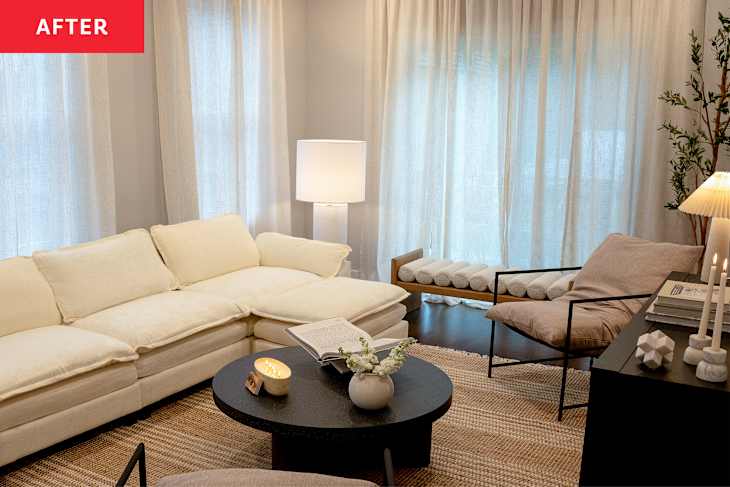
An all-neutral room can look calm and layered, or it can look flat. The difference is almost never the color. It is texture. When the colors stay close together, your eyes and hands notice the materials instead, and that is where depth comes from. These texture mixing ideas that add depth to an all-neutral room show you how to combine materials on purpose instead of adding more stuff.
This guide is about texture only. If you also want help with the colors themselves, see our guide to neutral color palettes that make a home feel warm. Below you will find a free texture checker, seven ideas with measurements, a scale and sheen rule and practical notes for pets, kids and renters.
Texture Mixing Ideas That Add Depth to an All-Neutral Room: Quick Answer
- Layer rugs of different weaves
- Mix sofa fabrics and pillows
- Add woven natural pieces
- Bring in wood grain and stone
- Texture the walls
- Layer window treatments
- Add sleek contrast and side lighting
The one rule: use at least six textures from at least three families (soft, woven, raw and sleek), and vary their scale and sheen.
Texture Mix Checker: What Is Your Room Missing?
Tick every material you already have in the room. The checker groups them into four families and tells you what is missing.
Soft
Woven
Raw
Sleek
The Scale and Sheen Rules
Choosing materials is only half of texture mixing. These two rules make them work together.
Idea 1: Layer Rugs of Different Weaves
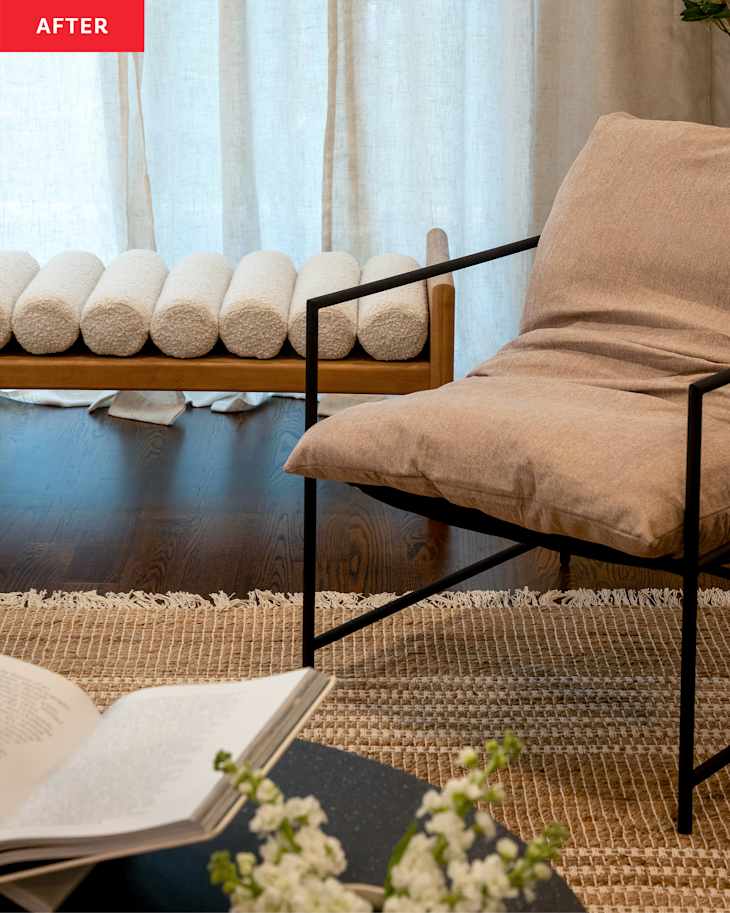
What it looks like: A flat, natural rug such as jute on the bottom with a smaller, softer rug on top.
Why it works: The rug is the largest textured surface in most rooms, so it sets the tone. Layering two weaves adds depth right where your feet and eyes land.
Idea 2: Mix Sofa Fabrics and Pillows
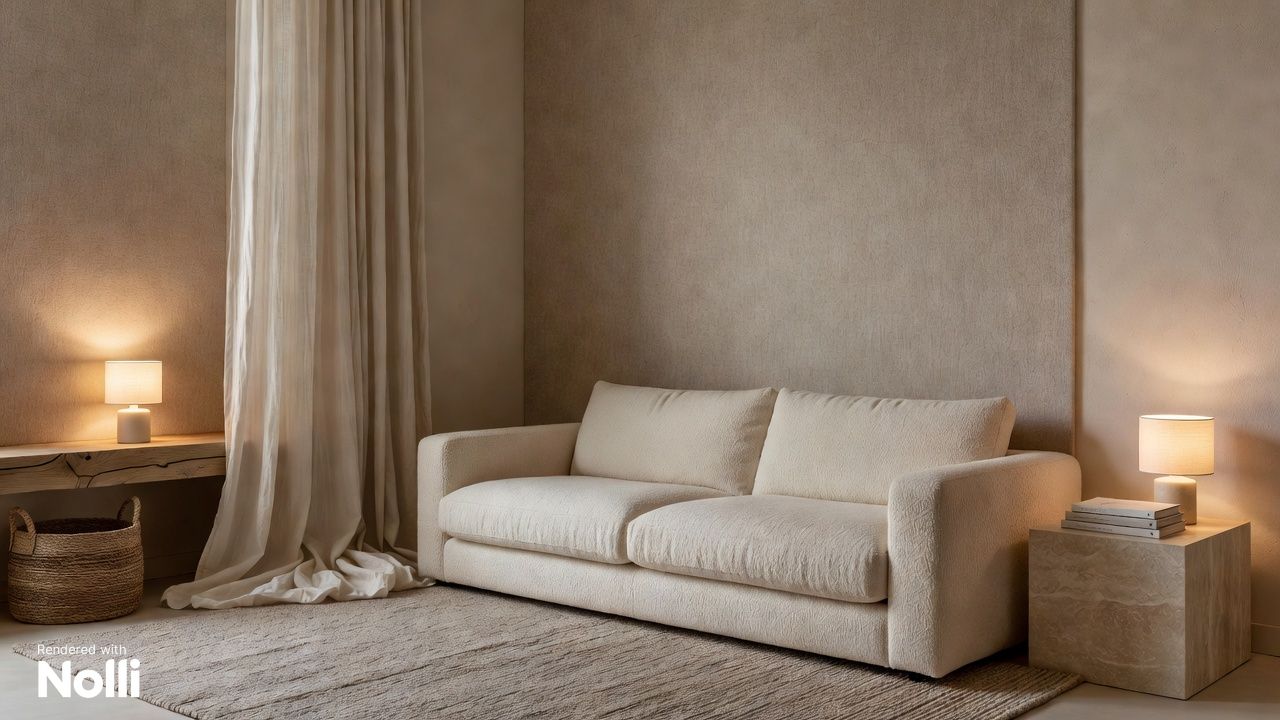
What it looks like: A sofa with a main fabric and pillows in two or three different materials.
Why it works: The sofa is the focal point of the room, and pillows are the easiest, cheapest way to change its texture.
Idea 3: Add Woven Natural Pieces
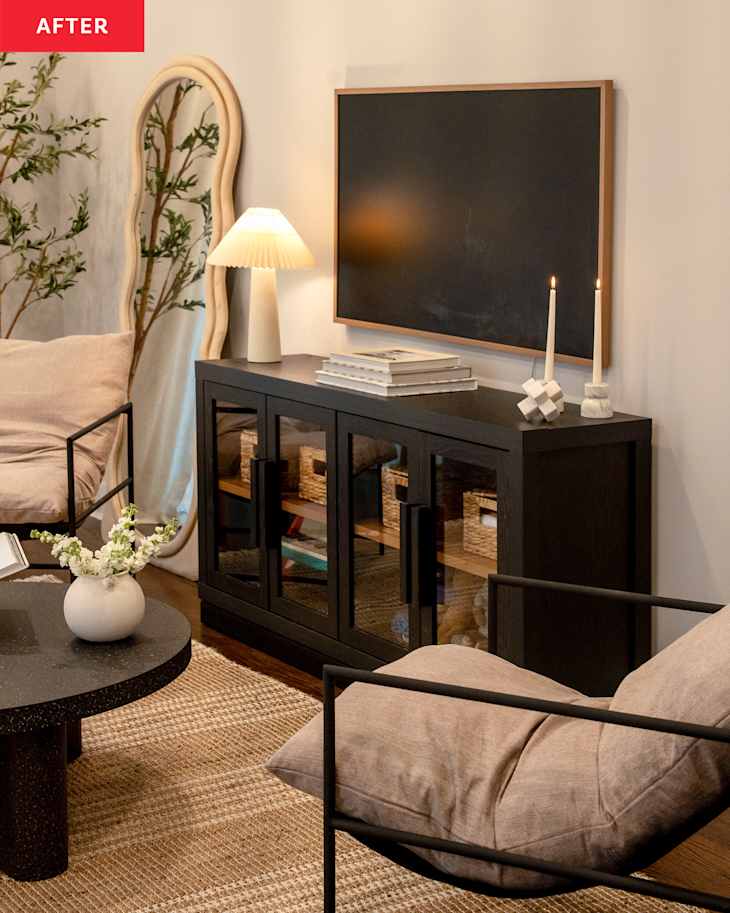
What it looks like: A rattan chair, a jute pouf, baskets or a woven pendant shade.
Why it works: Woven materials add an open, handmade texture that contrasts with smooth surfaces, and they feel warm in a neutral room.
Woven pieces also hide storage, so a basket can hold blankets while adding texture.
Idea 4: Bring in Wood Grain and Stone
What it looks like: A wood coffee table, a stone or concrete accent and matte ceramics.
Why it works: Raw materials have natural variation that machines cannot copy, and that irregularity is what makes a neutral room feel real.
Idea 5: Texture the Walls
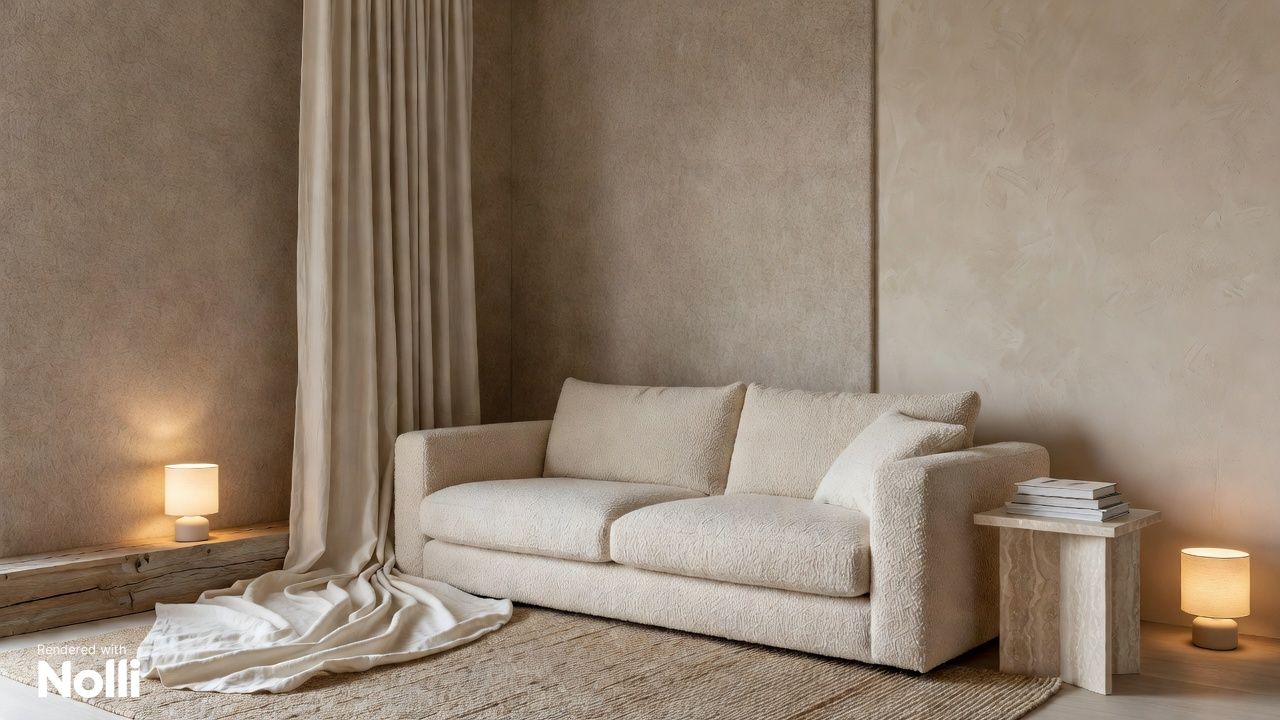
What it looks like: Walls with a soft, cloudy limewash-style finish, plaster paint, beadboard or grasscloth.
Why it works: Walls are the largest surface in the room. A textured finish gives the whole space depth, even with no other changes.
Textured finishes show up best in side light, so place a lamp or sconce nearby.
Idea 6: Layer Window Treatments
What it looks like: Linen curtains over a woven shade or a sheer panel.
Why it works: Windows bring light, and light reveals texture. Layered treatments add softness and a woven layer at the same time.
Idea 7: Add Sleek Contrast and Side Lighting
What it looks like: A glass vase, a brass lamp, a mirror or a glazed ceramic piece among soft and raw textures.
Why it works: Smooth, reflective surfaces make soft and raw textures look even softer and richer by contrast. Without them, a textured room can feel muddy.
Use warm bulbs around 2700K so the neutrals stay creamy.
Texture Chart (Quick Reference)
| Texture | Family | Best used on | Watch out for |
|---|---|---|---|
| Bouclé | Soft | Chairs, pillows | Snags with pets |
| Linen | Soft | Curtains, bedding, sofas | Wrinkles easily |
| Wool | Soft | Rugs, throws | Sheds at first |
| Velvet | Soft | Pillows, accent chairs | Shows marks and wear |
| Jute | Woven | Base rugs, poufs, baskets | Coarse underfoot, sheds fibers |
| Rattan and cane | Woven | Chairs, shades, trays | Dislikes damp, can snag |
| Wood grain | Raw | Tables, trays, frames | Match undertones |
| Stone and concrete | Raw | Accessories, tabletops | Heavy, can stain |
| Plaster or limewash | Raw | Walls | Needs correct application |
| Glass and metal | Sleek | Lamps, vases, frames | Fingerprints, glare |
| Glazed ceramic | Sleek | Vases, lamp bases | Fragile |
Practical Notes for Pets, Kids and Renters
- Pets: Loop textures such as bouclé and woven cane can snag on claws. Choose tight weaves and test a sample.
- Kids: Choose washable or performance fabrics for sofas and rugs, and keep fragile sleek pieces out of reach.
- Renters: Use peel-and-stick wallpaper, woven wall hangings, rugs, pillows and curtains, and test adhesives in a hidden spot first.
- Allergies: Wool and jute can hold dust, so vacuum often or pick low-pile options.
Texture Mixing FAQ
How do you add texture to an all-neutral room?
Layer materials that feel different while keeping the colors close: something soft, something woven, something raw and something sleek. Start with the biggest surfaces, like the rug, sofa and curtains, then add smaller pieces.
How many textures should you mix in one room?
Aim for at least six textures from at least three families (soft, woven, raw and sleek). Two or three textures usually look flat, and too many at the same scale can look busy.
How do you mix textures without making a room look cluttered?
Keep the color range tight, vary the scale from chunky to fine, mix matte with a little sheen, and give each surface two or three textures. Leave some smooth areas so the eye can rest.
What are examples of textures in interior design?
Bouclé, linen, wool, velvet and chunky knits for softness, jute, rattan and cane for woven texture, wood grain, stone and plaster for raw texture, and glass, metal, leather and glazed ceramic for sleek contrast.
How do you add texture to walls if you rent?
Use peel-and-stick textured wallpaper, large woven wall hangings, framed fabric or wall-mounted baskets. Check your lease and test adhesives on a small hidden area first.
Is bouclé a good fabric if you have pets or kids?
It depends on the weave. Loop-style bouclé can snag on claws, while tight weaves and performance fabrics are more durable. Choose a tight, washable or performance version and test a sample.
How do you layer rugs for texture?
Put a larger, flatter rug like jute on the bottom and a smaller, softer rug on top, offset so 6 to 12 inches of the base shows. Use a non-slip pad under the base rug.
Does lighting affect how texture looks?
Yes. Side light from a sconce or a lamp to one side throws small shadows across textured surfaces and brings them out. Flat overhead light tends to hide texture.
A Simple Takeaway
You do not need color to make a room interesting. Use soft, woven, raw and sleek materials, vary their scale and sheen and let side light show them off. Start with the biggest surfaces and add smaller pieces until the room passes the touch test. The neutral room you have now can feel rich without changing a single paint color.