
7 Cheap Ways to Make Hollow Core Doors Look Solid and Custom
Fixes that match your problem: looks flat, feels light or sounds hollow. Includes a free calculator for panel trim.
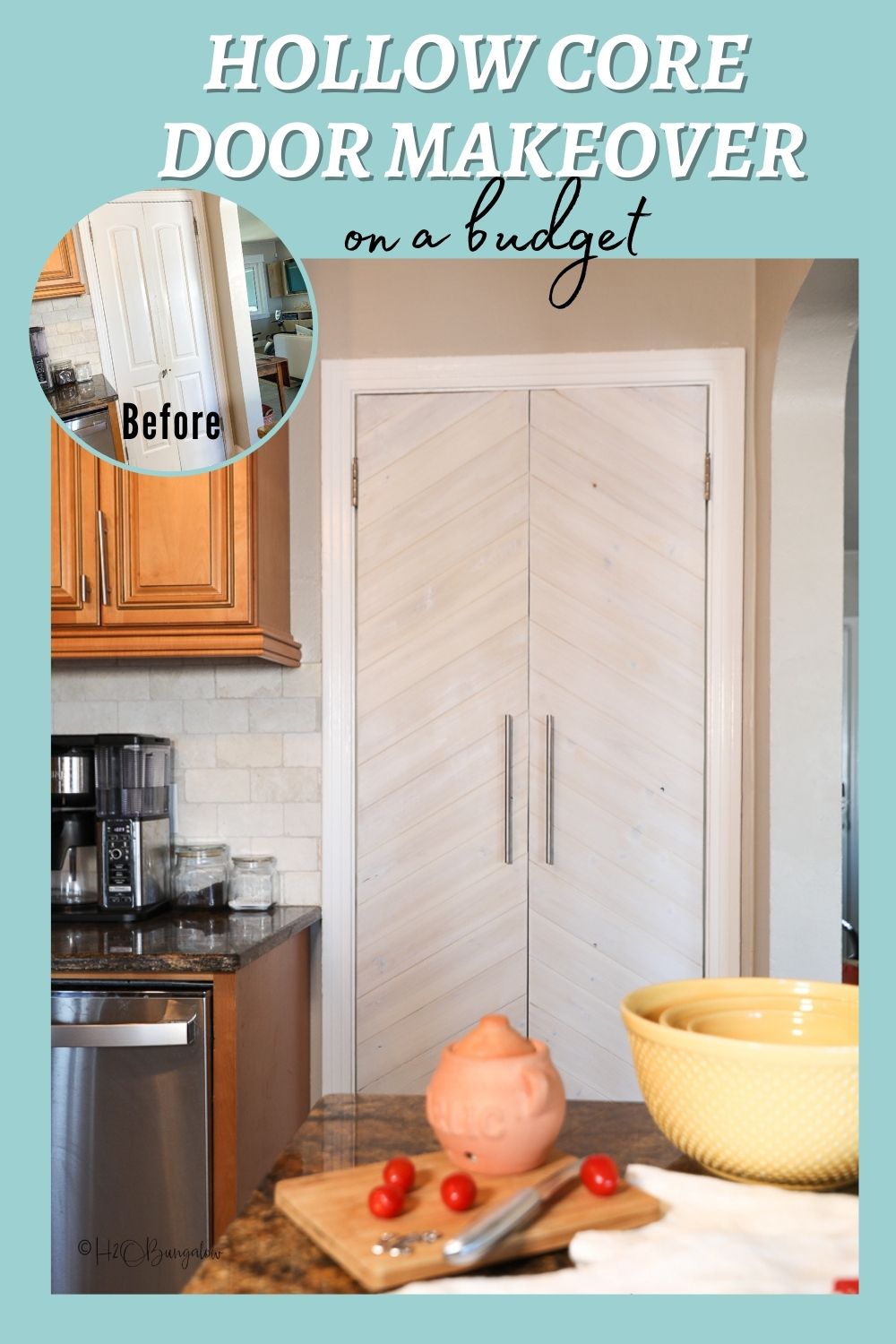
Hollow core doors are the builder-grade standard in most homes. They are light, smooth and flat, so they tend to look plain, feel thin and sound hollow when you knock on them. The good news is that most of what bothers people is how the door looks, and that is cheap to fix. These cheap ways to make hollow core doors look solid and custom start with a simple question: is your problem the look, the feel or the sound?
Below you will find seven upgrades, a free trim calculator that tells you exactly how much molding to buy, a chart matching each problem to its fix and a safety checklist. We are honest about the limits: these upgrades make a hollow core door look and feel much better, but only a solid core door fully fixes weight and sound.
Cheap Ways to Make Hollow Core Doors Look Solid and Custom: Quick Answer
- Add applied panel molding (the biggest change)
- Paint with a smooth enamel finish
- Upgrade the hardware and add a third hinge
- Add wider casing and a header
- Cover the flat face with fluted, beadboard or veneer panels
- Seal the gaps and add a little mass
- Color-drench the door, frame and trim
The one rule: a custom look comes from shadows, depth and proportion. Add panels and trim, then paint everything one smooth color.
First, Diagnose Your Problem: Look, Feel or Sound?
A hollow core door has a thin skin over a hollow or honeycomb interior. Solid core doors are heavier, often by a wide margin, and block more sound. That means there are three different problems, and each has a different fix.
| What bothers you | What is happening | What helps |
|---|---|---|
| It looks flat and cheap | Smooth, featureless surface with no shadows or depth | Ideas 1, 2, 5 and 7 |
| It feels light or flimsy | Low weight, thin hardware, loose fit | Ideas 3 and 4 |
| It sounds hollow or lets noise through | Little mass and gaps around the edges | Idea 6, and a solid core door for the best result |
The "look" problem is the cheapest and most satisfying to fix, which is why most of this guide focuses on it.
Idea 1: Add Applied Panel Molding

What it looks like: Thin strips of molding glued to the flat face of the door to form rectangular panels, like those on a traditional paneled door.
Why it works: Panels create shadow lines and depth, which are exactly what a flat door is missing. Once painted, the door reads as a real paneled door.
Use the trim calculator below to turn your door size into exact panel sizes and a shopping list.
Free Trim Calculator for Two-Panel Doors
Enter your door size and rail widths. Defaults match a common 30 by 80 inch door, and you can adjust every number. Use these as guidelines and dry-fit with painter's tape first.
Idea 2: Paint With a Smooth Enamel Finish

What it looks like: A door painted in a smooth, slightly glossy finish with no brush marks.
Why it works: Paint is what makes molding and a plain surface look like real wood. A smooth, hard finish also looks and feels more expensive than a flat, thin coat.
Remove the hardware or tape it carefully, and lay the door flat if you can, since it reduces drips.
Idea 3: Upgrade the Hardware and Add a Third Hinge

What it looks like: A heavier lever handle and hinges that match, with a third hinge in the middle.
Why it works: Hardware is what you touch every day, so a solid lever makes the whole door feel better. Solid doors often use three hinges, and a third hinge supports the extra weight of added molding.
Idea 4: Add Wider Casing and a Header

What it looks like: Wide trim around the door with a decorative header across the top.
Why it works: The casing frames the door, and wider trim reads as higher quality. In many homes, the trim does as much work as the door itself.
This idea changes the whole doorway, not just the door, and it pairs well with panel molding.
Idea 5: Cover the Flat Face With Fluted, Beadboard or Veneer Panels
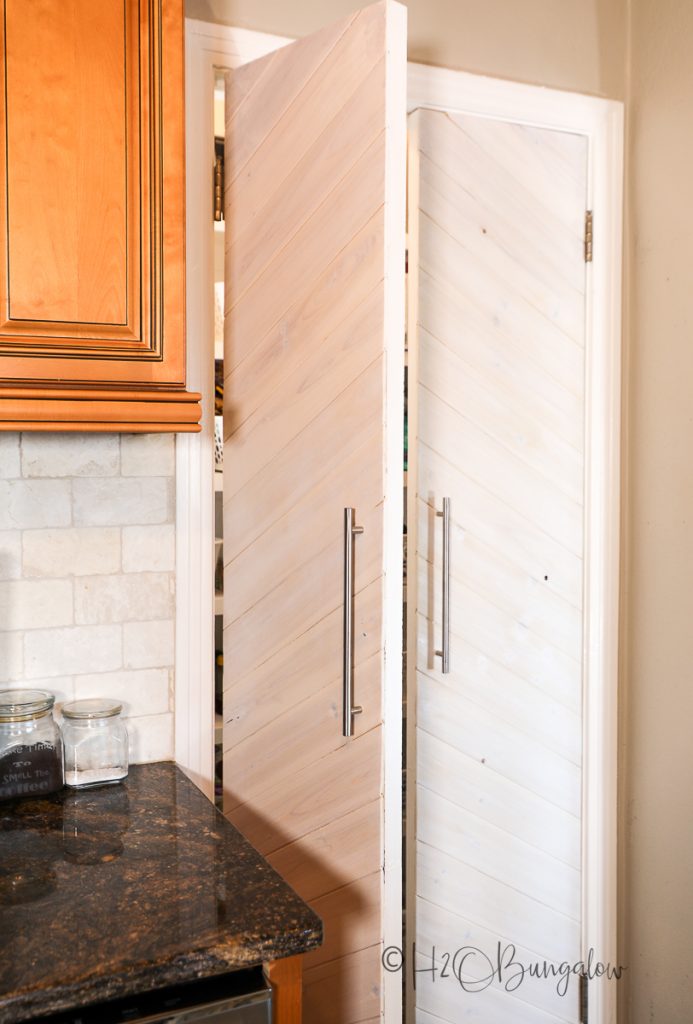
What it looks like: A textured panel such as fluted, reeded or beadboard glued over the face of the door, or a wood veneer sheet for a natural grain.
Why it works: Texture adds depth that the flat face lacks, and it can make a door look custom-built.
Idea 6: Seal the Gaps and Add a Little Mass
What it looks like: A door that closes with a soft, firm seal instead of a rattle and leaves no light gap at the bottom.
Why it works: Sound travels through gaps, and for a hollow core door, the gaps do much of the damage. Sealing them is cheap and makes a noticeable difference.
Some people fill hollow doors with expanding foam. It can add weight and reduce hollow sound, but it can also bulge the thin skin, so use only a small amount of low-expansion foam and test on a spare door first. For serious sound control, a solid core door is the right fix.
Idea 7: Color-Drench the Door, Frame and Trim
What it looks like: The door, casing and baseboard painted the same color, often a deep or moody shade.
Why it works: When the door and frame blend, you notice the shape and the shadows rather than the cheap flat surface.
This idea is cheap, since you reuse the same paint, and it works well with panel molding because the shadow lines stay visible.
Problem and Fix Chart (Quick Reference)
| Upgrade | Fixes | Typical cost per door | Effort |
|---|---|---|---|
| Applied panel molding | Look | $15 to $40 | Moderate |
| Smooth enamel paint | Look | $10 to $25 | Moderate |
| Hardware and third hinge | Feel | $15 to $40 | Easy |
| Wider casing and header | Look | $20 to $60 | Moderate to hard |
| Fluted or beadboard overlay | Look | $20 to $60 | Moderate |
| Door sweep and weatherstripping | Sound, feel | $10 to $25 | Easy |
| Color-drench the trim | Look | $20 to $40 in extra paint | Moderate |
Safety Checklist
- Do not modify fire-rated doors, such as a door between a garage and a house. Check the label and your local code.
- Test old paint for lead before sanding if your home was built before 1978.
- Wear a mask and eye protection when cutting or sanding MDF.
- Glue molding rather than nailing it into the hollow face.
- If you add weight, add a third hinge and check that the door still latches.
Hollow Core Door Makeover FAQ
Can you make a hollow core door look solid?
Yes, you can make it look solid and custom with applied panel molding, a smooth enamel finish, better hardware, wider casing and sealed gaps. These changes improve how it looks and feels, but they do not make it a true solid core door.
Can you paint a hollow core door?
Yes. Clean, lightly sand, apply a bonding primer and use quality enamel in satin or semi-gloss. Thin coats with a foam roller or sprayer give a smoother finish than one thick coat.
How do you make a flat hollow core door look like a panel door?
Glue thin molding or flat trim strips to the face in a rectangular pattern, fill the seams with paintable caulk, then prime and paint the whole door one color so the molding blends in.
Can you nail molding to a hollow core door?
Glue is better. The face is a thin skin over a hollow interior, so nails have little to grip. Use construction adhesive or wood glue, hold the molding with tape or light weights, and use short pin nails sparingly if at all.
Does filling a hollow core door with foam work?
It can add some weight and reduce hollow sound, but expanding foam can bulge or warp the thin skin. Use a small amount of low-expansion foam and test on a spare door. A solid core door is the better fix.
How do you make a hollow core door quieter?
Seal the gaps with a door sweep and weatherstripping, since sound travels through gaps. Added mass helps a little, but a solid core door blocks much more sound than any DIY upgrade.
Should I add a third hinge to a hollow core door?
It is a cheap, useful upgrade, especially if you add molding or an overlay. A third hinge halfway between the top and bottom hinges supports the door better and reduces sagging. Match the existing hinges.
Is it better to replace a hollow core door instead?
If you only want a better look, these upgrades are much cheaper than replacing the door. If you want real weight, sound blocking and durability, a solid core door is the right choice, though it usually costs more.
A Simple Takeaway
A hollow core door does not have to look hollow. Add panels for depth, paint everything in one smooth color, upgrade the hardware and frame the door with wider trim. Seal the gaps for a quieter, firmer feel. For a small cost per door, you get a custom look, and you know exactly which problems a solid core door would still fix.