
7 Front Door Color Ideas That Instantly Boost Curb Appeal
Pick the right color for your siding, roof and light, with a color picker, undertone rules and a simple test that prevents paint regret.
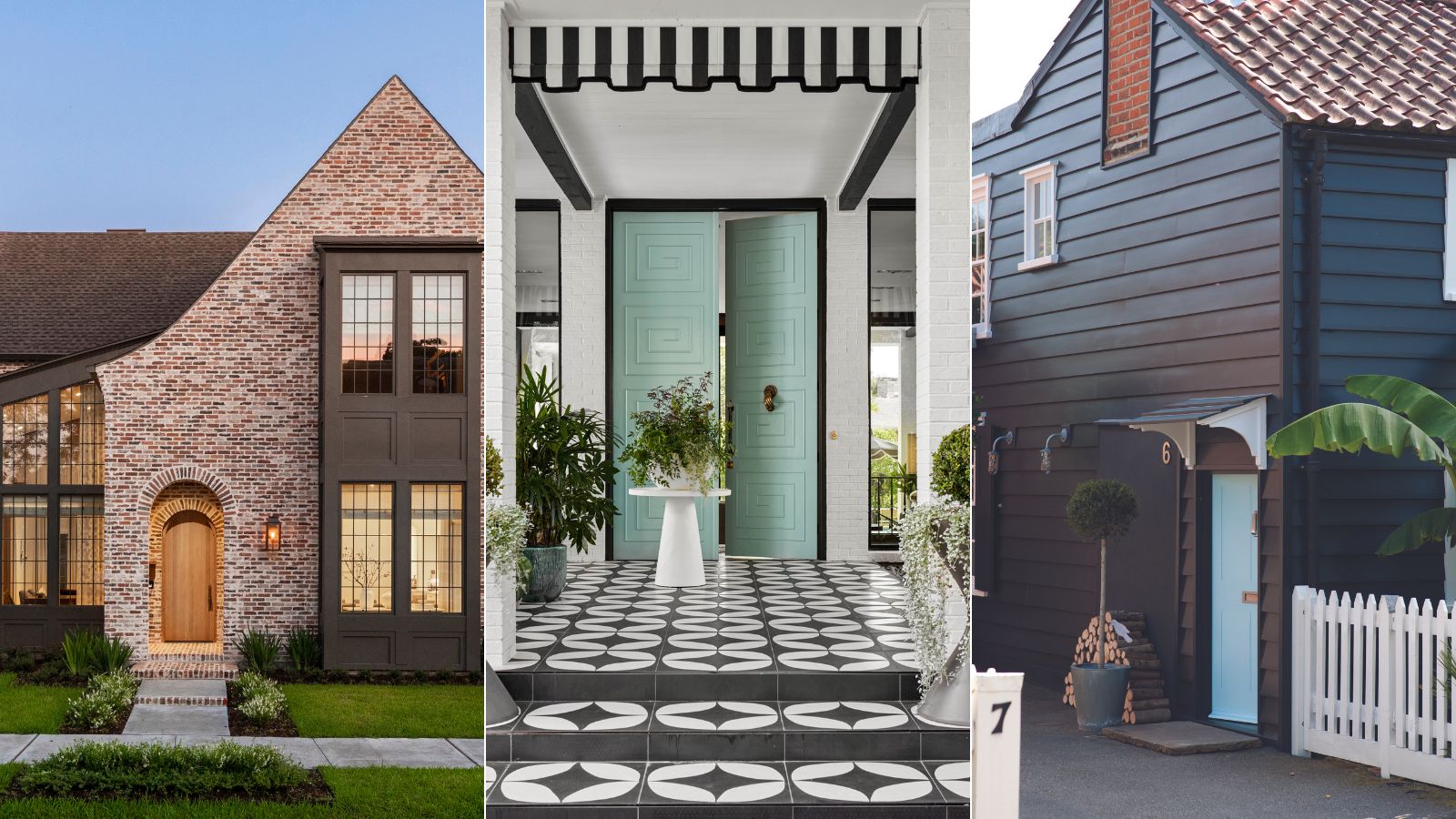
A front door is a small surface with a big job. It is the focal point of the front of your house, so changing its color is one of the fastest ways to change how the whole home looks. These front door color ideas that instantly boost curb appeal go beyond "pick a pretty color," because the right choice depends on the parts of your house you cannot change: roof, brick, stone and siding.
Below are seven colors, a free color picker for your exterior, a rule for matching undertones, hardware pairings and a simple sample test.
Front Door Color Ideas That Instantly Boost Curb Appeal: Quick Answer
- Black: the timeless, high-contrast choice
- Navy blue: classic and softer than black
- Deep green: natural and traditional
- Classic red: bold and welcoming
- Warm mustard yellow: cheerful and modern
- Natural wood tone: warm and organic
- Soft teal: fresh and distinctive
The one rule: match your door's undertone to the parts of the house you cannot change, such as the roof, brick and stone, then test a large sample in your own light.
Door Color Picker: What Works With Your Exterior?
Choose your main exterior color and the undertone of your roof or brick. The picker shows the colors that usually work best.
The Undertone Rule: Match What You Cannot Change
You can repaint a door in an afternoon, but you cannot easily change your roof, brick, stone or fixed trim. Those are your fixed elements, and they have undertones: warm (leaning brown, tan, red or yellow) or cool (leaning gray, blue or black). A door color that fights those undertones will look slightly off, even if the color is lovely on its own.
Idea 1: Black

What it looks like: A deep, glossy black door that frames the entrance.
Why it works: Black gives the highest contrast with light exteriors and makes brass, black or silver hardware stand out. It suits traditional and modern homes.
Best with: white, light gray, beige and red brick exteriors.
Idea 2: Navy Blue

What it looks like: A deep blue that looks almost black in low light and rich blue in sun.
Why it works: Navy is classic like black but feels warmer and more welcoming. It works with both warm and cool exteriors.
Best with: white, beige, gray and brick exteriors.
Idea 3: Deep Green

What it looks like: A forest or evergreen door that feels natural and settled.
Why it works: Green connects the door with plants and landscaping, and it looks especially good with brick, stone and white siding.
Best with: brick, stone, white and beige exteriors.
Idea 4: Classic Red

What it looks like: A confident cranberry, barn red or brick red door.
Why it works: Red is bold and welcoming and has a long tradition on front doors. It stands out against gray, white and neutral siding.
Best with: gray, white, beige and dark exteriors.
Idea 5: Warm Mustard Yellow

What it looks like: A golden, slightly earthy yellow that feels cheerful without being neon.
Why it works: Yellow adds energy and looks modern against charcoal, gray and navy exteriors.
Best with: dark gray, charcoal, navy and blue exteriors.
Idea 6: Natural Wood Tone

What it looks like: A stained wood door with visible grain, from honey to walnut.
Why it works: Wood adds warmth and texture and looks excellent against dark or modern exteriors.
Best with: black, charcoal, gray, sage and blue exteriors.
Idea 7: Soft Teal

What it looks like: A muted blue-green that feels fresh and distinctive.
Why it works: Teal stands out without shouting, and it provides a cool contrast to warm brick and neutral siding.
Best with: red brick, beige, white and warm gray exteriors.
The Sample Board Test: Avoid Paint Regret
Color changes with light, with nearby colors and with sheen. A tiny paint chip cannot show you that. A large sample can.
- Paint a sample board about 2 by 2 feet, or use a large peel-and-stick sample.
- Place it next to the door, beside your roof, brick or stone.
- Look at it in the morning, at midday, in the evening and at night under your porch light.
- Leave it for two or three days before you decide.
Door Color and Hardware Chart (Quick Reference)
| Door color | Pairs well with | Hardware finish ideas | Watch out for |
|---|---|---|---|
| Black | White, light gray, beige, brick | Brass, brushed nickel, black | Heat on sunny doors |
| Navy blue | White, beige, gray, brick | Brass, brushed nickel, chrome | Looks black in shade |
| Deep green | Brick, stone, white, beige | Brass, bronze, black | Undertone clash with roof |
| Classic red | Gray, white, beige, dark siding | Black, brass, bronze | Competing with red brick |
| Mustard yellow | Charcoal, gray, navy | Black, bronze, brushed nickel | Looks different in strong sun |
| Natural wood | Black, charcoal, gray, sage | Black, brass, bronze | Needs regular refinishing |
| Soft teal | Brick, beige, white, warm gray | Brass, bronze, black | Bright teals can look harsh |
Front Door Color FAQ
What is the best front door color for curb appeal?
There is no single best color. Black, navy and deep green are the most reliable choices for many homes because they contrast clearly with light exteriors. Use the picker and a sample board to match your own house.
What color front door goes with a gray house?
For light gray, black, navy and deep green give a crisp, classic contrast. For darker gray, natural wood, mustard yellow or classic red adds warmth. Match the gray's undertone to the door color.
What color front door goes with red brick?
Black, deep green and charcoal are safe, classic choices. Navy and deep teal also work. Avoid a red close to the brick color unless you want a tone-on-tone look.
Is a black front door a good idea?
Yes, for most homes. It is timeless and works with many exteriors. Very dark colors absorb more heat, so check the paint and door manufacturer's guidance if the door gets strong afternoon sun.
What paint finish is best for a front door?
Exterior paint in satin or semi-gloss. These resist weather and wipe clean easily. Make sure the paint suits your door material, such as wood, steel or fiberglass.
How do I test a front door color before painting?
Use a large sample board or peel-and-stick sample next to the door and view it in the morning, at midday, in the evening and at night under your porch light. Leave it for two or three days.
Does front door color affect home value?
A well-chosen color can improve first impressions, but there is no guarantee it changes the sale price. Choose a color that suits your home and keep the paint fresh and clean.
Can I paint any type of front door?
Most wood, steel and fiberglass doors can be painted with the right preparation: clean, lightly sand glossy surfaces, prime with a product suited to the material and finish with exterior paint. Do not dry-sand old paint on homes built before 1978 without testing for lead first.
A Simple Takeaway
The best front door color is the one that works with the parts of your house you cannot change. Match the undertone of your roof and brick, pick from the colors that suit your siding, and test a large sample in your own light. One quart of paint and one afternoon can change how the whole house looks from the street.