
Venetian Plaster Arched Wall Finish Ideas
Which finish actually suits a curved opening, what real projects have done with it, and the honest cost and durability limits worth knowing before you commit
I almost painted our arch. Flat, safe, done in an afternoon. What stopped me was realizing how often Venetian plaster keeps showing up specifically next to arched openings in real project photos, not painted arches with a plaster accent wall nearby, the arch itself finished in plaster. That's a more specific pairing than "texture is trending," so I wanted to understand why before I committed a curved surface to a finish that's genuinely difficult to apply well.
Table of Contents
- Why This Is a Real 2026 Moment, Not Just a Trend Word
- Why Plaster Suits an Arch Specifically
- Choosing a Finish Type for a Curved Surface
- Color Direction for 2026
- A Real Arched Niche Project
- Where Not to Use Standard Venetian Plaster
- DIY Versus Professional, Honestly
- Common Questions
Why This Is a Real 2026 Moment, Not Just a Trend Word
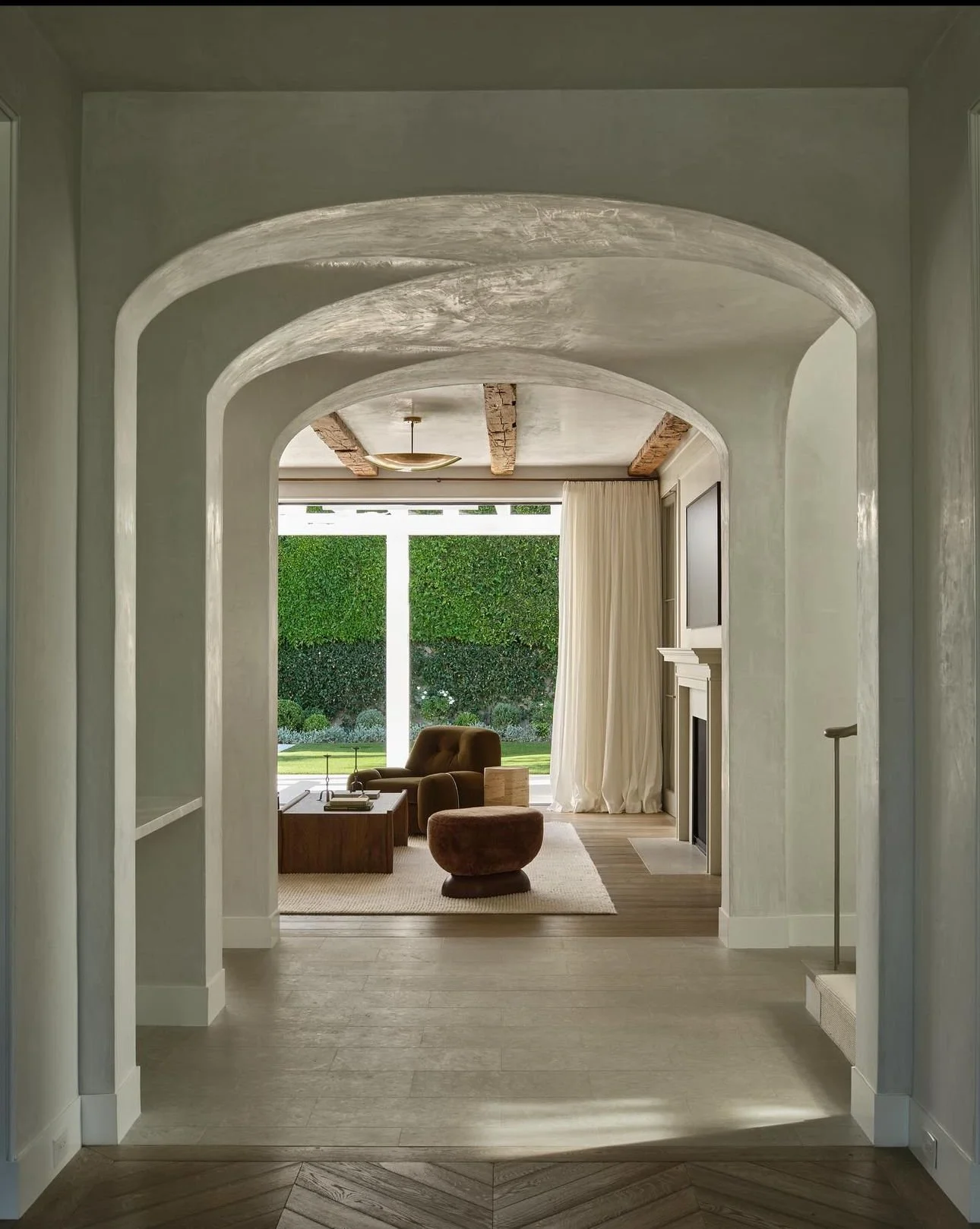
Before spending real money on this, I wanted to know if the interest was genuine or just a design blog phrase getting repeated.
That's a large enough number that it's fair to call this a genuine shift in what people want their walls to do, not just look like. And an arch, a surface that already catches light differently than a flat wall, is exactly where a light-reactive material like plaster does the most visible work.
Why Plaster Suits an Arch Specifically

This is the part that actually answered my original question, why plaster and arches keep appearing together in real projects rather than as a coincidence.
- Treat the arch's reveal, the curved interior depth of the opening, not just its face, as part of the plaster surface, letting the material wrap the full curve rather than stopping at the front edge.
- Choose between a polished, high-shine finish and a rougher, more textured one based on the room's overall formality, current guidance frames this as a genuine either-or choice, not a single correct answer.
- Let the arch stand as the room's plaster feature if you're trying this for the first time, rather than plastering every wall in the room at once.
Choosing a Finish Type for a Curved Surface

"Venetian plaster" isn't one single product, and the differences between the named finish types matter more on a curve than on a flat wall, since light hits every point of an arch at a different angle.
- Pick Marmorino if you want the closest thing to a true marble look on the arch, especially in a foyer or formal room.
- Pick Lamundo if the arch is meant to be a genuine showpiece, its high-gloss surface reflects light most dramatically as you move past it.
- Pick Tintoretto if you want the texture and depth of plaster without the shine, particularly for a more minimalist or Scandinavian-leaning interior.
- Matches the finish's reflectivity to how much light actually moves across your specific arch throughout the day
- Avoids the common mistake of choosing a finish purely by name recognition rather than by how it will actually read on a curve
- All three names are genuine, distinct products, not marketing variations of the same finish
Color Direction for 2026
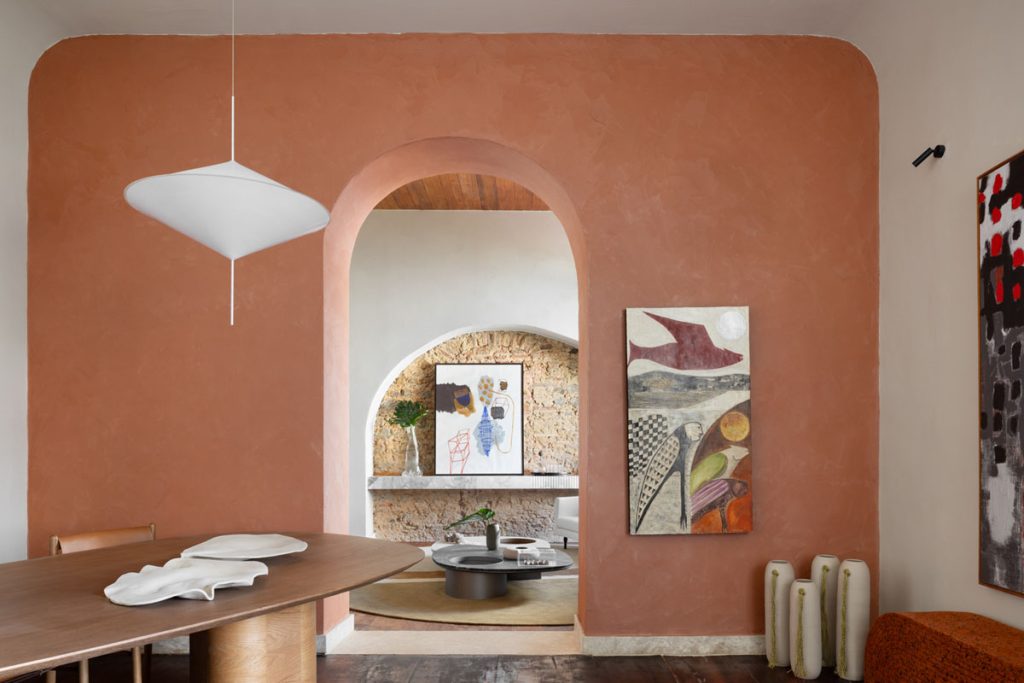
Plaster's color choices work differently than paint, since the finish itself adds depth regardless of the pigment, but current guidance still points to a fairly specific 2026 palette.
- Choose a mushroom or warm greige tone if you want the arch to read as a quiet, structural feature rather than a bold statement.
- Choose terracotta if you're already working with brass hardware or white oak nearby, current guidance specifically ties that combination together.
- Save deep jewel tones for an arch that's genuinely meant to be the room's focal point, since a dark, saturated plaster surface pulls attention more than any other finish choice on this list.
A Real Arched Niche Project

- If a full archway feels like too large a first project, start with a smaller arched niche, the same finish choices apply at a much lower material cost.
- A dark, saturated plaster tone inside a niche creates real depth against a lighter surrounding wall, a technique the documented project uses directly.
- Light the niche from within if possible, even a small directional fixture. Plaster's reflectivity is what makes it worth the investment, and that only shows under real light.
Where Not to Use Standard Venetian Plaster

This is the part I almost skipped, because it complicates an otherwise straightforward recommendation, but it's necessary for an accurate answer.
DIY Versus Professional, Honestly

| Approach | Typical Cost | Best For |
|---|---|---|
| Professional installation | $10–$30 per square foot | A full arch, especially a detailed or high-gloss Lamundo finish |
| Professional accent wall or arch | $1,500–$4,500 total | A single feature arch or niche as a focused investment |
| DIY accent wall (flat surface) | $500–$1,500 per wall | A flat wall where a beginner can practice technique before attempting a curve |
An arch's curved surface is genuinely harder to trowel evenly than a flat wall, since the tool angle changes constantly along the curve. If you're new to plaster application, current guidance's own advice, practicing on a flat accent wall first, applies even more directly to an arch than to a straightforward room wall.
Common Questions
Is Venetian plaster actually more durable than paint, or is that just marketing? When applied correctly, it's genuinely more durable and can last for decades, its mineral-based composition holds up to wear in a way flat paint doesn't.
Which finish is easiest for a first-time arch project? A more textured, rustic finish over a high-gloss Lamundo application, texture forgives small inconsistencies in a way a polished, reflective surface won't.
Do I need to finish the entire room in plaster to make an arch feel intentional? No, current guidance and real projects both support treating a single arch or niche as the plaster feature, with the surrounding walls left in paint.
Is Venetian plaster a passing 2026 trend, or worth a real investment? The scale of the search increase and its pairing with a broader shift toward tactile materials suggests genuine staying power, though no finish can be promised to outlast changing tastes indefinitely.
What's the biggest mistake people make with a plastered arch? Choosing a high-gloss finish without accounting for how much light actually reaches the arch, a dim hallway with a Lamundo finish won't show the shine that makes the material worth choosing in the first place.
I ended up going with the niche first, not the full arch, exactly the smaller test the real project examples pointed toward. It's a fraction of the material cost and it's already told me more about how the color shifts across the day than any photo could have.
If you're on the fence, start small and start dry, a niche or an interior arch away from direct water, in whichever finish matches how much light actually moves across it. Everything else on this list scales up from that one decision.
— written before committing our own arch to anything more permanent than paint
Shop the Story
- Marmorino plaster finish kit
- lime plaster trowel set
- terracotta Venetian plaster sample
- unlacquered brass arch trim
- flexible corner bead for curves
- plaster burnishing tool