
Cottagecore Arched Doorway Decor Inspiration
What the design world is actually calling this look right now, real materials from real projects, and a darker variant worth knowing about
The first thing I ran into researching this was a genuine naming disagreement, one worth passing along before a single decor idea, because it changes what you'd actually search for or ask a contractor to build. What most of us mean by "cottagecore," whimsical, a little precious, leaning on pastels, isn't quite the term the design industry is using for its own 2026 and 2027 version of this look.
Table of Contents
- Cottagecore Versus "Cottage Style," a Real Distinction
- An Arched Doorway in a Real Cottage Kitchen
- The Color Palette That's Actually Documented
- Materials and Hardware Worth Copying
- Taking It Outside, to a Porch or Entry
- A Darker Cottagecore Variant
- Common Mistakes
- Common Questions
Cottagecore Versus "Cottage Style," a Real Distinction

This is the part I almost skipped in favor of getting straight to decor, and it's exactly the part that keeps this article accurate rather than a mislabeled trend piece.
In practice, that means most of the polished, photographed arched doorways you'll find under a cottagecore search are actually built and described as cottage style by the designers behind them. If you want the whimsical, pastel-leaning original meaning of cottagecore, the ideas further down this list still apply, just expect fewer real, named professional projects to point to for that specific direction.
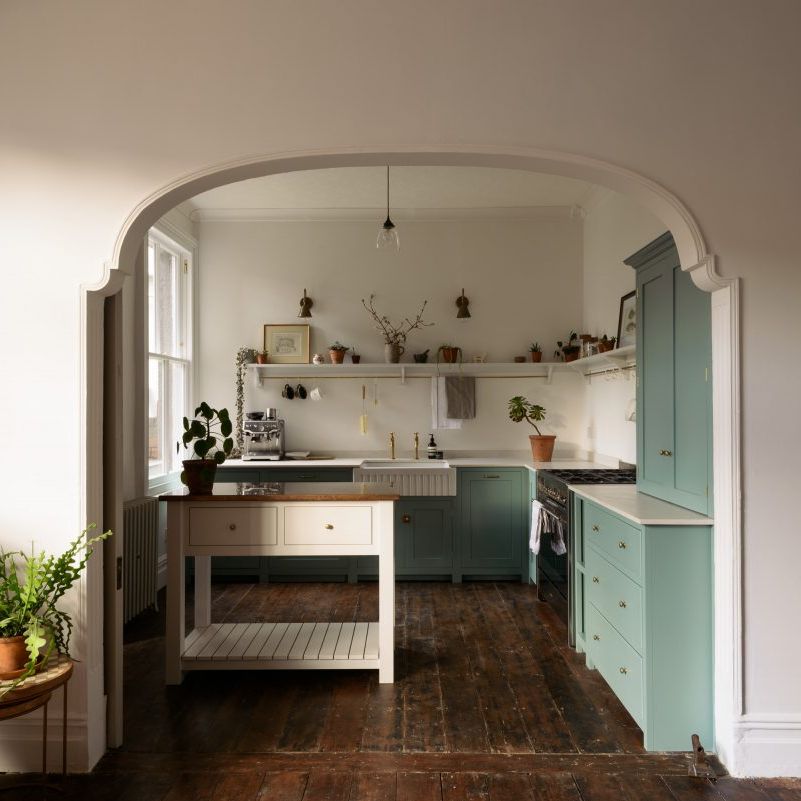
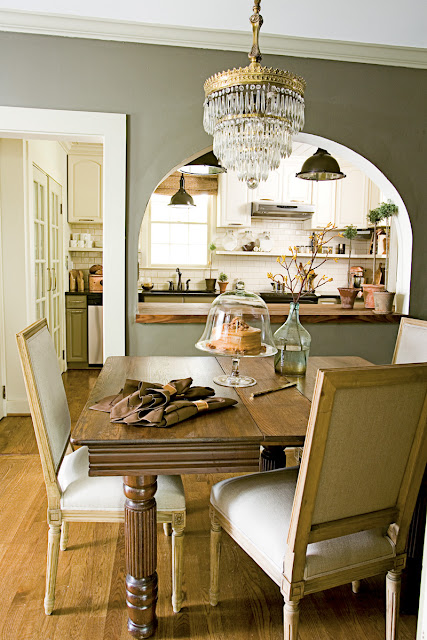
An Arched Doorway in a Real Cottage Kitchen

This is the actual documented project that grounds the rest of this article, not a rendering.
- Pair the arch with a small number of genuinely thoughtful accents rather than dense decor, the documented project specifically credits minimal, considered styling, not visual clutter.
- Add classic fabric window treatments nearby if the arch leads toward a window, current guidance ties the two together as part of the same cottage-style language.
- Let natural light do real work in the room, the documented project is specifically described as light-filled, which is doing as much for the overall feeling as the arch itself.
The Color Palette That's Actually Documented
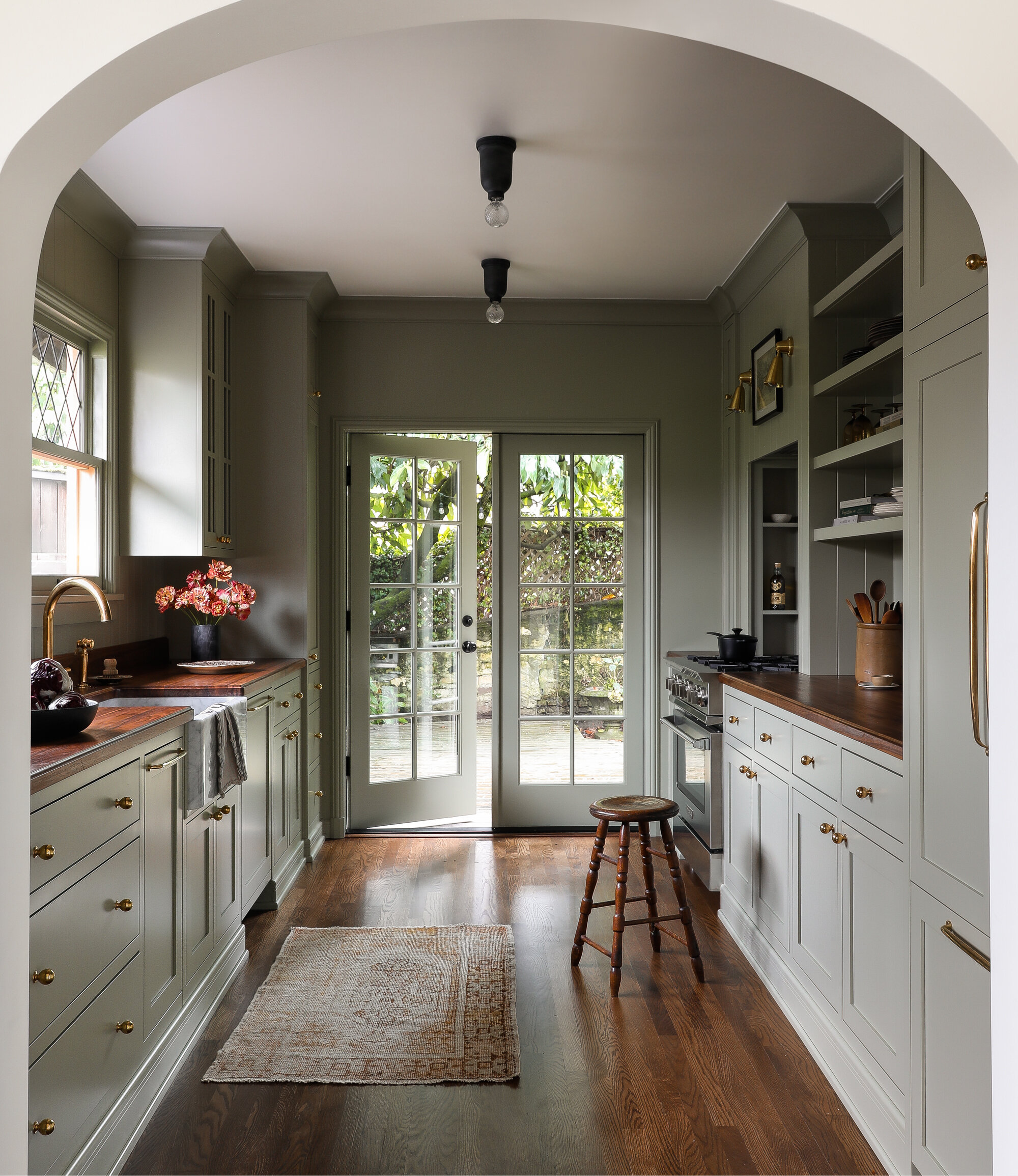
Color is where the cottagecore versus cottage style distinction matters most in practice, and current guidance is specific about which direction the design world is actually recommending.
- Paint the arch and its surrounding wall in muted sage or mushroom rather than a brighter pastel like blush pink or baby blue, if you want the currently documented, more polished direction.
- Keep the palette consistent between the arch and the room it opens into, current guidance treats the whole space's warmth as one cohesive decision, not an isolated doorway choice.
- If pastel really is the specific look you want, reserve it for smaller, easily changed accents near the arch, a runner, a vase, rather than the doorway's actual paint or material finish.
Materials and Hardware Worth Copying

Beyond color, current guidance names a specific, repeatable set of materials that show up across real, credited cottage-style projects.
- Choose brass or copper hardware for anything near the arch, a light fixture, a nearby cabinet pull, current guidance repeats this pairing specifically rather than cooler metals.
- If the arch leads into or out of a kitchen, let Shaker-style cabinetry and slab countertops carry the room's simplicity, keeping the arch itself as the more textured, characterful element by comparison.
- Use handmade or natural stone tile somewhere within view of the arch, even a small backsplash section, to reinforce the tactile, textural quality current guidance associates with this look.
- Every material named here is tied to real, credited projects, not a generic mood board description
- Brass and copper hardware is a small, affordable change that reinforces the whole look without a full renovation
- Textural, handmade materials read as considered rather than mass-produced, which is core to the style's whole appeal
Taking It Outside, to a Porch or Entry
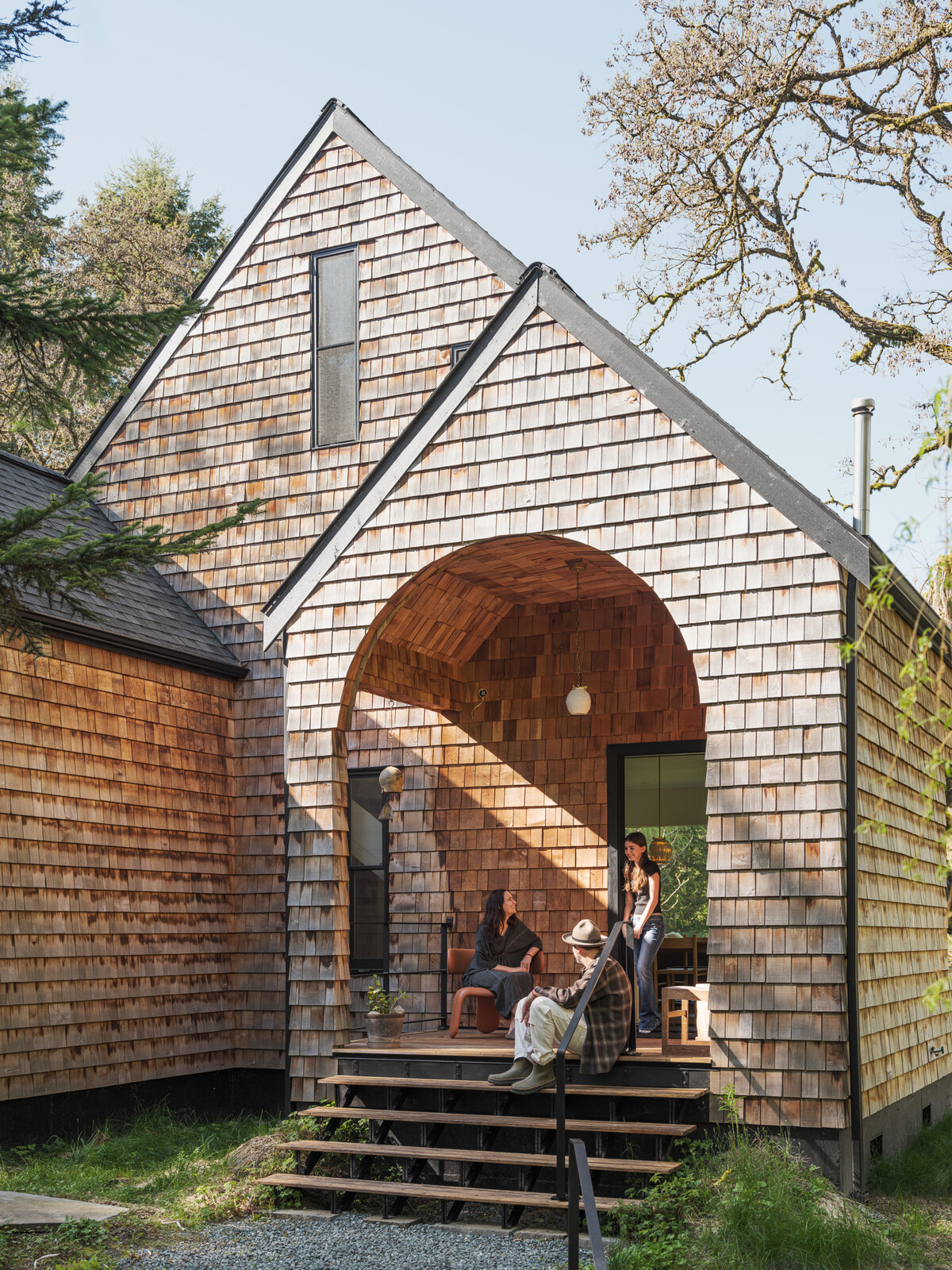
This look doesn't stop at an interior doorway, current guidance extends the same material language to a home's exterior entry points.
- If your arched doorway is at an entry or porch, extend the same natural stone or cedar material out from the doorway rather than treating the arch as an isolated feature.
- Layer garden views deliberately near an exterior arch, current guidance specifically credits thoughtfully layered plantings, not just any greenery placed nearby.
- Keep the exterior architecture humble rather than grand, the documented language here favors small porches and modest touches over an imposing entry statement.
A Darker Cottagecore Variant

Not everyone wants the warm, sage-and-mushroom direction, and there's a distinctly different, real variant worth knowing about, even though the sourcing behind it is lighter than the projects above.
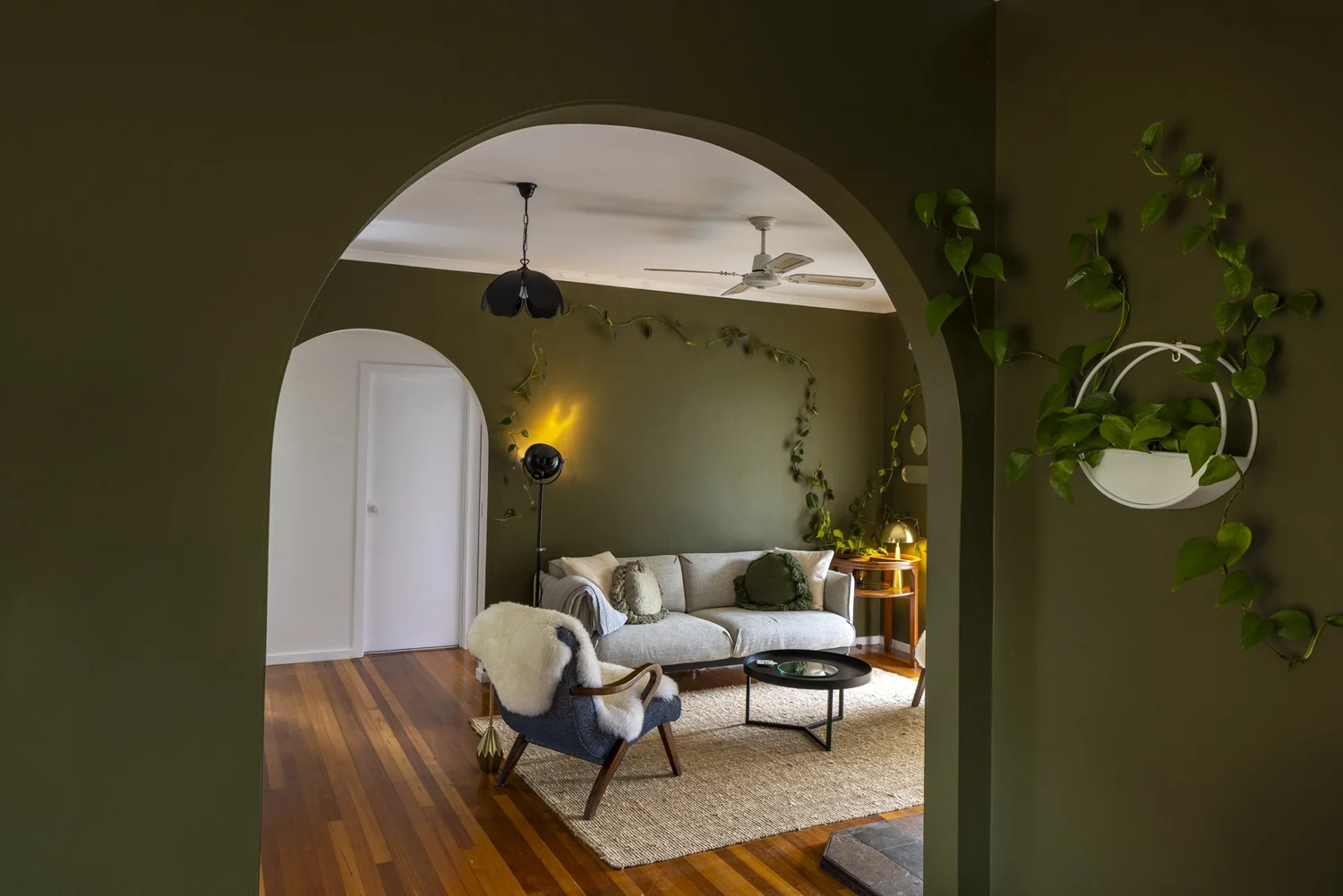
- Choose a dark, saturated wood stain for the arch itself, walnut or ebony rather than a light or painted finish, if you're leaning into this direction.
- Let ivy or another climbing plant grow around an exterior arch intentionally, rather than trimming it back, this look specifically embraces that overgrown quality.
- Reserve mahogany bookshelves and a genuinely hidden doorway for a dedicated nook or reading room, this is a more theatrical, room-specific application than the sage-and-brass kitchen direction above.
Common Mistakes
- Searching only "cottagecore" when researching a contractor-ready project. Most polished, buildable real projects are documented under "cottage style" instead, and searching only the former may turn up mostly styling inspiration rather than construction-ready ideas.
- Mixing bright cottagecore pastels with cottage style's warm neutrals in the same room. Current guidance treats these as two distinct color directions, not a single combined palette.
- Overcrowding the arch with decor. The real documented kitchen project specifically credits minimal, thoughtful accents, not a dense collection of objects.
- Choosing cool-toned hardware. Current guidance consistently names brass or copper, not chrome or nickel, for this look.
Common Questions
Is "cottage style" just a rebrand of cottagecore, or a genuinely different look? Current design coverage treats them as related but distinct, cottage style specifically moves away from cottagecore's bright pastels toward warmer, more sophisticated neutrals rooted in English and French countryside influences.
What's the single most repeated material across real cottage-style projects? Brass or copper hardware, it's named consistently alongside natural stone and handmade tile across the documented kitchen and exterior examples.
Is the darker, gothic cottagecore direction as well-documented as the lighter cottage style? Not to the same degree, the lighter, warm-neutral direction comes from a dedicated design industry trend guide, while the darker variant is sourced from a curated styling collection rather than original reporting.
Can I mix an arched doorway with Shaker cabinets even outside a kitchen? Yes, the pairing is documented specifically in a kitchen, but Shaker-style detailing and an arch are both architectural choices that work in other rooms following the same restrained, understated logic.
Does this look work on an exterior entry, or only indoors? Both are documented, natural stone, cedar shingles, and small porches extend the same material language to a home's exterior entry points, alongside interior kitchen and doorway applications.

I went into this expecting one clear answer and came out with two real directions instead, a warmer, more grounded cottage style with real named projects behind it, and a darker, more theatrical cottagecore variant with a thinner paper trail but a genuine following of its own. Knowing which one you're actually chasing before you start is worth more than any single photo.
If you want something you can hand to a contractor with confidence, lean toward the sage-and-brass cottage style direction, it's the one with real, credited projects behind every material choice on this list.
— written after learning the term I searched wasn't quite the one the industry uses
Shop the Story
- muted sage interior paint
- brass cabinet hardware
- handmade backsplash tile
- Shaker style cabinet door
- mahogany bookshelf unit
- vintage arch door hardware