
Natural Stone Arched Doorway Inspiration
The one version of this trend that isn't an illusion. Stone doesn't fake age, it simply already has it, on day one
Almost every other arch idea on this site is, in one way or another, a costume. Drywall pretending to be structural. Plaster pretending to be decades old. Wallpaper pretending to be paint. There's nothing wrong with any of that, it's honest, effective, and usually the right call for a real home on a real budget. But natural stone is the one version of this trend that isn't pretending at all. A stone arch is exactly what it looks like, and that's precisely why it reads so differently from everything else on this list.
This is also, worth saying upfront, the most demanding and expensive version of the trend by a wide margin. A true stone arch, whether it's a full stacked-stone surround, a stone veneer application, or a single carved stone lintel, is a project that usually involves a mason or stoneworker rather than a weekend and a trowel. What follows is inspiration and planning guidance for that reality, not a DIY tutorial, since this is one project genuinely worth hiring out.
Table of Contents
- Why Stone Reads So Differently From Every Other Arch Method
- Full Stacked-Stone Arch Surrounds
- A Single Carved Stone Lintel Over a Square Opening
- Stone Veneer as a Budget-Conscious Middle Ground
- Reclaimed and Antique Stone for Genuine Age
- Limestone Versus Sandstone Versus Fieldstone
- Pairing Stone With Wood Beams or Trim
- Interior Versus Exterior-Facing Stone Arches
- What a Stone Arch Actually Costs
- Working With a Mason: What to Expect
- What to Avoid
- Common Questions
Why Stone Reads So Differently From Every Other Arch Method

Every faux finish on a drywall or plaster arch is trying to recreate what stone already does naturally: irregular texture, variation in tone, a surface that catches light unevenly because no two pieces are identical. Stone doesn't need a distressing step or a tinted topcoat, that irregularity is simply what the material is.
A reader named Ignatius, who'd previously built a faux plaster arch in an earlier home, described the difference after finally doing a real stone surround: "Every technique I used on the plaster arch was an attempt to fake exactly what the stone did automatically. It's not that the plaster version was bad, it just took real effort to approximate what the stone gave me by default."
- Genuine, permanent texture and tonal variation with no maintenance needed to preserve it
- Real weight and presence, both visually and physically, unlike a lightweight drywall or trim build
- A material that will only look better with decades of wear, rather than needing eventual refinishing
Full Stacked-Stone Arch Surrounds
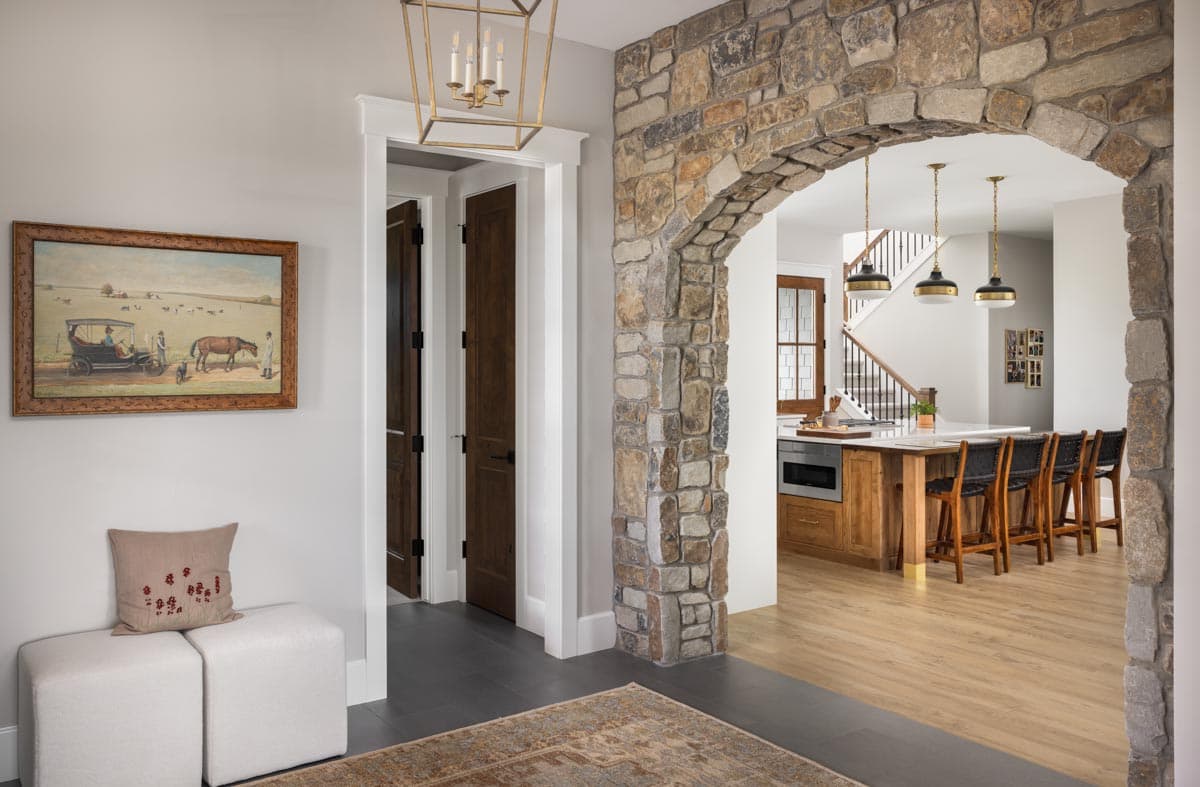
This is the most dramatic and involved version of the trend, individually cut or naturally shaped stones, mortared in place, forming both the curved arch itself and often a surrounding surface extending out from the opening. It's most commonly seen in farmhouse, rustic, or Mediterranean-influenced interiors, though it shows up in more contemporary spaces too when paired with cleaner surrounding finishes.
A reader named Perpetua had a full stacked-stone surround built around her kitchen's entry from an attached mudroom. "It's the single most expensive thing I've ever done to a doorway," she said, "and it's also the one detail in the whole house that guests physically touch without thinking about it, running a hand along the stone as they walk through. That's not a reaction paint or drywall ever gets."
A Single Carved Stone Lintel Over a Square Opening
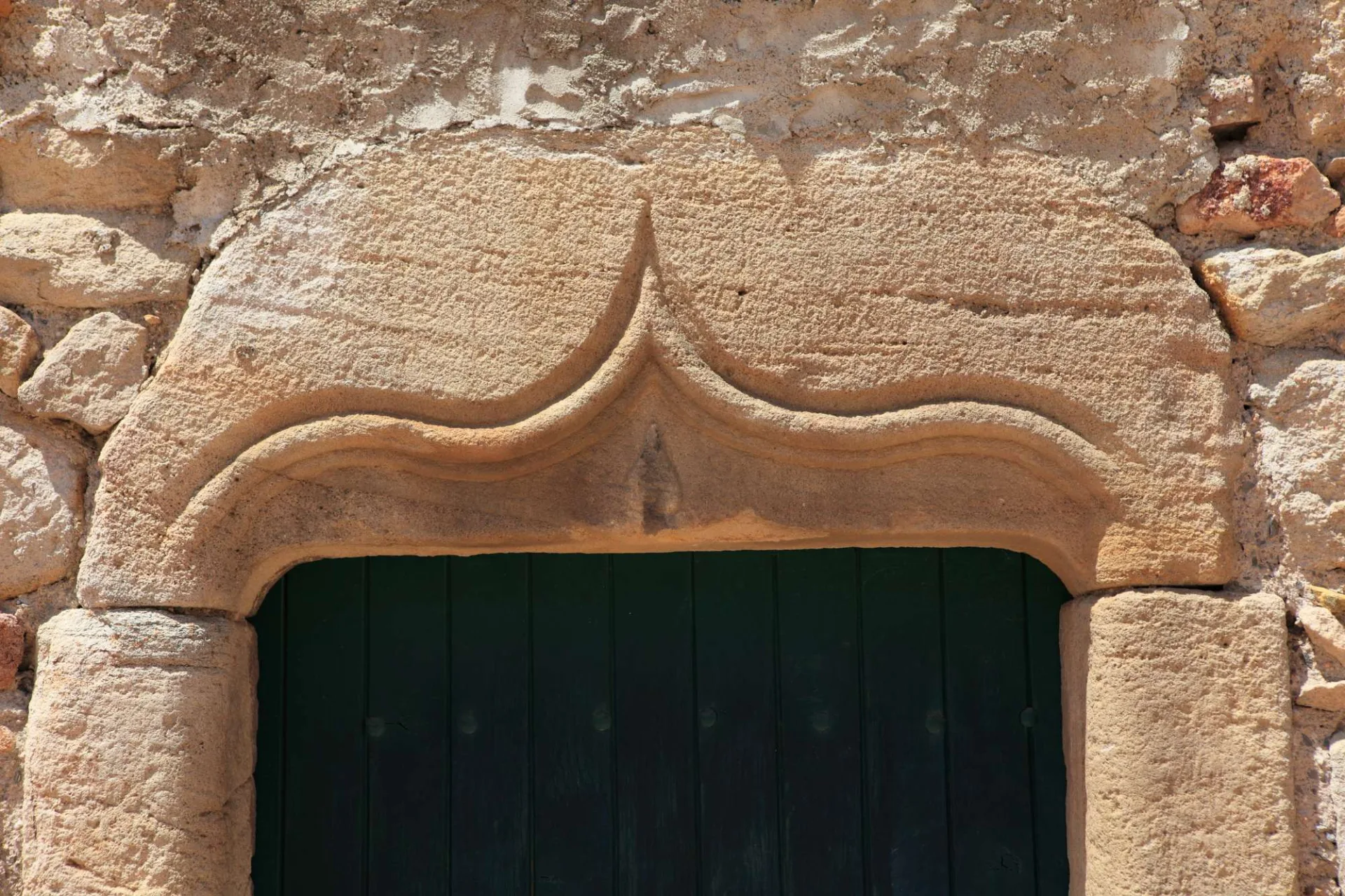
A more restrained approach uses a single substantial stone piece, carved with a gentle arched underside, set above an otherwise standard square doorway opening. This gives the impression of stone architecture without the scale or cost of a full surround, and it reads as a more curated, singular design statement.
- A carved stone lintel of any real size is heavy, structural support and proper load-bearing installation are not optional considerations here.
- This is typically a custom or semi-custom order from a stone fabricator, working from your specific opening's measurements.
- Even a single-piece lintel benefits from being installed by someone experienced with stone, given the weight and precision involved.
Stone Veneer as a Budget-Conscious Middle Ground

Full-thickness natural stone is heavy, expensive, and structurally demanding. Stone veneer, thin slices of real stone adhered to a backing rather than full solid blocks, gives much of the same genuine material appearance at a fraction of the weight and often a meaningfully lower cost.
A reader named Wilhelmina used a thin natural stone veneer around her hallway arch rather than full stacked stone. "It's real stone," she said, "not a printed or molded imitation, just thin enough that it didn't need the structural planning a full stone surround would have. From arm's length, nobody has ever guessed it's veneer rather than solid stone."
Reclaimed and Antique Stone for Genuine Age

For anyone chasing genuine, unforced age rather than a distressed finish applied to new material, reclaimed stone, sourced from demolished older structures, is about as authentic as this trend gets. The weathering, the softened edges, the subtle color variation from decades of exposure, none of it needs to be recreated because it's already there.
A reader named Bartholomew sourced reclaimed limestone from an architectural salvage yard for his doorway arch. "Every single piece had its own history before it ever got near my house," he said, "there's a kind of honesty in that, that no amount of skilled faux-finishing on new material fully matches."
Limestone Versus Sandstone Versus Fieldstone

The specific type of stone changes the whole character of the finished arch considerably, and it's worth understanding the general differences before committing to a direction.
Pairing Stone With Wood Beams or Trim

Stone rarely appears in complete isolation in a well-considered interior, it's almost always paired with a complementary material, most commonly wood, to keep the overall look from feeling too heavy or one-note.
- Reclaimed or distressed wood beams nearby, echoing the stone's natural, weathered quality
- Simple, unadorned iron or black metal hardware, which contrasts cleanly against stone's texture
- Warm plaster walls surrounding the stone feature, rather than stark white, which can make the stone feel disconnected from the rest of the room
Interior Versus Exterior-Facing Stone Arches

A stone arch at an exterior entry, connecting directly to the outdoors, faces different weathering and sealing requirements than one entirely inside a home's interior. This distinction matters for material choice, sealing schedule, and overall long-term maintenance.
- Exterior stone needs to be rated for freeze-thaw cycles in colder climates, not every interior-appropriate stone handles that well.
- Exterior applications generally need more frequent resealing to protect against moisture and weathering.
- Interior stone has far more flexibility in material choice, since it isn't exposed to the elements at all.
What a Stone Arch Actually Costs
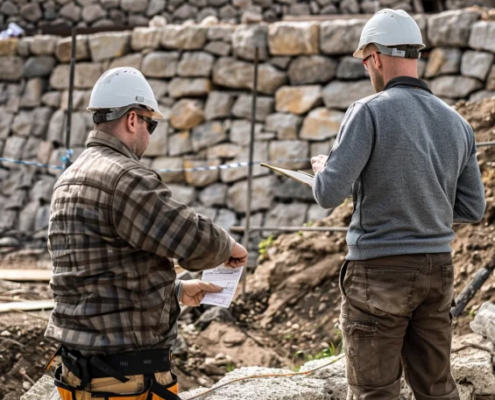
This is the section most people skip past in inspiration browsing and then get a real surprise about later, so it's worth being direct. A genuine stone arch is, without much competition, the most expensive version of this entire trend, and it's worth budgeting accordingly before falling in love with a specific look.
Working With a Mason: What to Expect
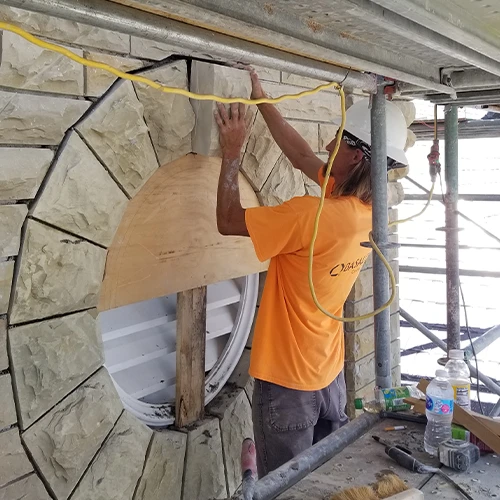
Unlike nearly every other project on this site, this is genuinely not a weekend DIY undertaking for most homeowners, real stonework, especially a curved arch, requires skills and tools most people don't have on hand. Understanding what the process actually looks like helps set realistic expectations.
- An initial consultation and measurement visit, where the mason assesses the opening and discusses stone type, style, and budget.
- Stone sourcing, which can take anywhere from a few days for common material to several weeks for a specific reclaimed or specialty stone.
- Installation itself, which for a full arch surround typically spans several days to over a week depending on complexity.
- A curing period before the surround is considered fully finished and ready for regular contact or nearby activity.
What to Avoid
- Treating this as a DIY weekend project. A genuine stone arch, especially a curved one, is specialized work that benefits significantly from professional installation.
- Skipping the structural assessment for a heavy stone lintel or full surround. Real stone is heavy, and proper support isn't optional the way it might be for lightweight drywall or trim.
- Choosing interior-only stone for an exterior-facing application. Freeze-thaw performance and weather resistance vary significantly between stone types.
- Getting only one quote before committing. Stonework, particularly curved arch work, varies widely in price and quality between masons.
- Pairing stone with an otherwise stark, cold material palette. Stone tends to read best alongside warm, complementary materials like wood, rather than in isolation against very clinical finishes.
Common Questions
Is a full stone arch surround too heavy for a standard interior wall to support? It depends significantly on the stone type, thickness, and the wall's existing structure, this is exactly the kind of assessment a mason or structural professional should make before any installation begins, rather than assuming standard framing can handle it.
Can stone veneer be applied over existing drywall, or does the wall need to be rebuilt first? Stone veneer can often be applied over properly prepared drywall or a cement backer board, but it depends on the specific product and wall condition, a mason or installer can assess whether additional backing is needed.
How long does natural stone typically last before needing any maintenance? With appropriate sealing, particularly for exterior applications, natural stone is among the most durable materials used in home construction, often requiring resealing only every several years and structurally lasting far longer than most other finishes discussed in this trend.
Is stone veneer as durable as full-thickness stone, or does it wear differently? Quality stone veneer is genuinely durable for interior use, though it's thinner and can be more vulnerable to significant impact than full-thickness stone, it's not typically recommended for high-impact exterior applications the way full stone is.
Does a natural stone arch work in a modern or contemporary home, or does it only suit rustic styles? It works well in contemporary spaces too, particularly with cleaner-cut limestone or a more minimal, monochromatic stone selection paired with simple, uncluttered surrounding finishes rather than heavily rustic detailing.
What's the most budget-conscious way to get a genuine stone look without the full cost? Stone veneer is the most direct way to use real, natural stone at a meaningfully lower cost and weight than a full stacked-stone surround, while still avoiding a printed or faux material entirely.
What separates this from every other arch idea covered elsewhere is the complete absence of illusion. There's no template to trace, no faux finish to age convincingly, no removable version for a rental. It's the most honest, and also the most demanding, version of the trend, real material doing exactly what it's always done, with no pretending required at any step.
If you only do one thing, get more than one mason's quote before committing to a direction, since pricing and expertise in curved stonework specifically vary more than almost any other trade in this entire trend.
— written after pricing out four different stone options across two homes, and ultimately choosing veneer over a full surround both times
Shop the Story
- natural stone veneer panels
- reclaimed limestone architectural pieces
- fieldstone veneer sheets
- natural stone sealer
- reclaimed wood beam accent
- black iron door hardware set