
Arched Accent Wall Paint Ideas
The real step-by-step method, the color designers are actually specifying most in 2026, and the wall-picking rule most DIY versions of this skip
Cheapest version of every idea on this list is the one nobody talks about enough, paint, some tape, an afternoon. No construction, no commitment, completely reversible with a roller and a weekend if it doesn't work out. What I wanted to know before starting was whether there was an actual method behind the string-and-pencil arcs I kept seeing, and it turns out there is, documented step by step by someone who'd already done it.
Table of Contents
- The Real Step-by-Step Method
- Why an Arch Is a Natural Accent Choice
- Picking the Right Wall in the First Place
- The Color Designers Are Actually Specifying
- 2026's Real Color Palette, Room by Room
- Beyond the Bedroom, Other Places to Try It
- Common Mistakes
- Common Questions
The Real Step-by-Step Method
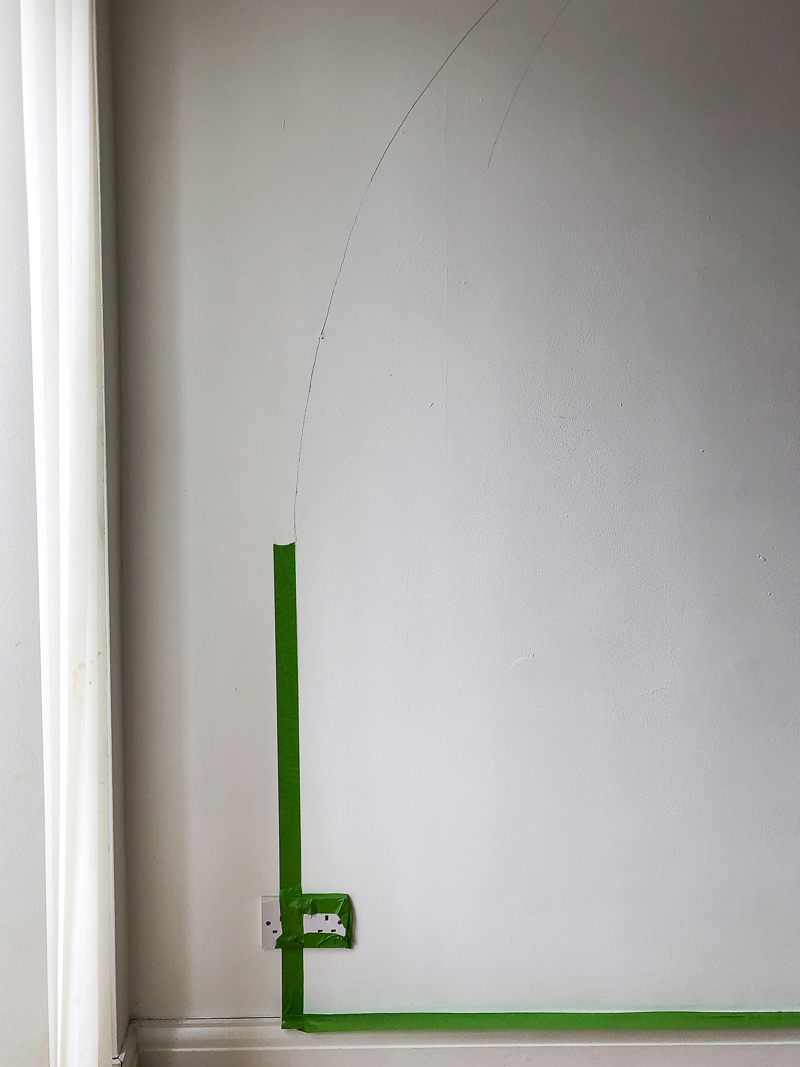
This is a genuinely documented process, not a vague "just paint an arch" suggestion.
- Do the math before picking up a brush, base width, height, and the string-and-pencil arc all happen before any paint touches the wall.
- Use a small brush, roughly three-quarters of an inch wide, to carefully outline the curved top following your pencil line, rather than trying to cut in the curve with a roller.
- Pull tape while the last coat is still wet, not after it's dried, that timing is specifically what keeps the edge crisp instead of risking peeled paint.
- A real, tested method, not a guess at how the string-and-pencil trick is supposed to work
- Needs almost nothing beyond paint, tape, and string, most of it likely already on hand
- Fully reversible, a mistake here costs a repaint, not a repair
Why an Arch Is a Natural Accent Choice
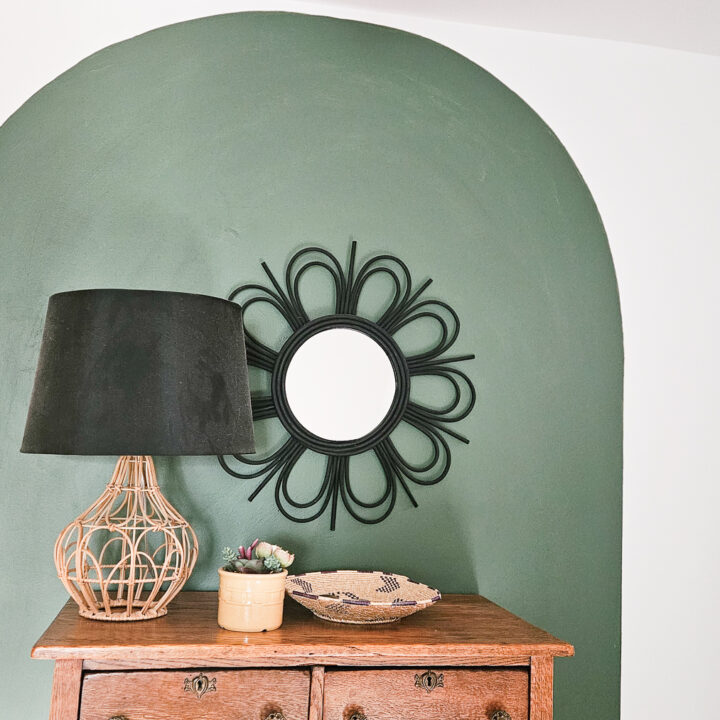
Before choosing where to put this, it's worth knowing that current guidance specifically flags certain walls as better accent candidates than others, and an arch already has an advantage.
An arch, whether it's a real niche or a painted one, already has that advantage. The shape itself is doing the work of drawing the eye, paint is reinforcing a focal point that already exists, not manufacturing one from a flat, featureless wall.
Picking the Right Wall in the First Place
This is the step most DIY versions of this project skip entirely, and current guidance is specific that it's the single most common mistake in the whole category.
- Confirm your arch isn't on the same wall as your room's largest window before committing to a painted or built accent there.
- If it is, and that wall also happens to be a bedroom's headboard wall, consider drenching the whole room in one color instead of isolating the arch as a single accent.
- Otherwise, let the arch's existing architecture, real or painted, decide the wall, rather than choosing based on which wall is biggest or most visible from the doorway.
The Color Designers Are Actually Specifying

If you want a single, low-risk color to start with, current sourcing points to one specific paint that's outperforming the rest.
- Consider Hale Navy HC-154 as a genuinely low-risk starting point if you want a color you know professional designers are already reaching for most often.
- Check your wall's natural light level before committing to a dark arch color, a naturally dim wall may read better in a lighter, textured finish instead.
- Save a bold, saturated color specifically for a wall that already gets decent natural light, so the depth of the color reads rather than disappearing into shadow.
2026's Real Color Palette, Room by Room
Beyond that single most-specified navy, current 2026 coverage names a broader, warmer palette, along with real rooms that show exactly how it's being used.


- Pair a burnt orange or tobacco brown arch with rustic wood furniture nearby, current documented rooms specifically combine those tones with warm, natural materials.
- Choose emerald or another deep jewel tone if the arch is meant to be a bold living room statement rather than a quiet, grounding backdrop.
- Reserve softer oatmeal or soft gray for a bedroom arch behind a headboard, current guidance ties calmer neutrals to that specific, rest-focused room.
Beyond the Bedroom, Other Places to Try It
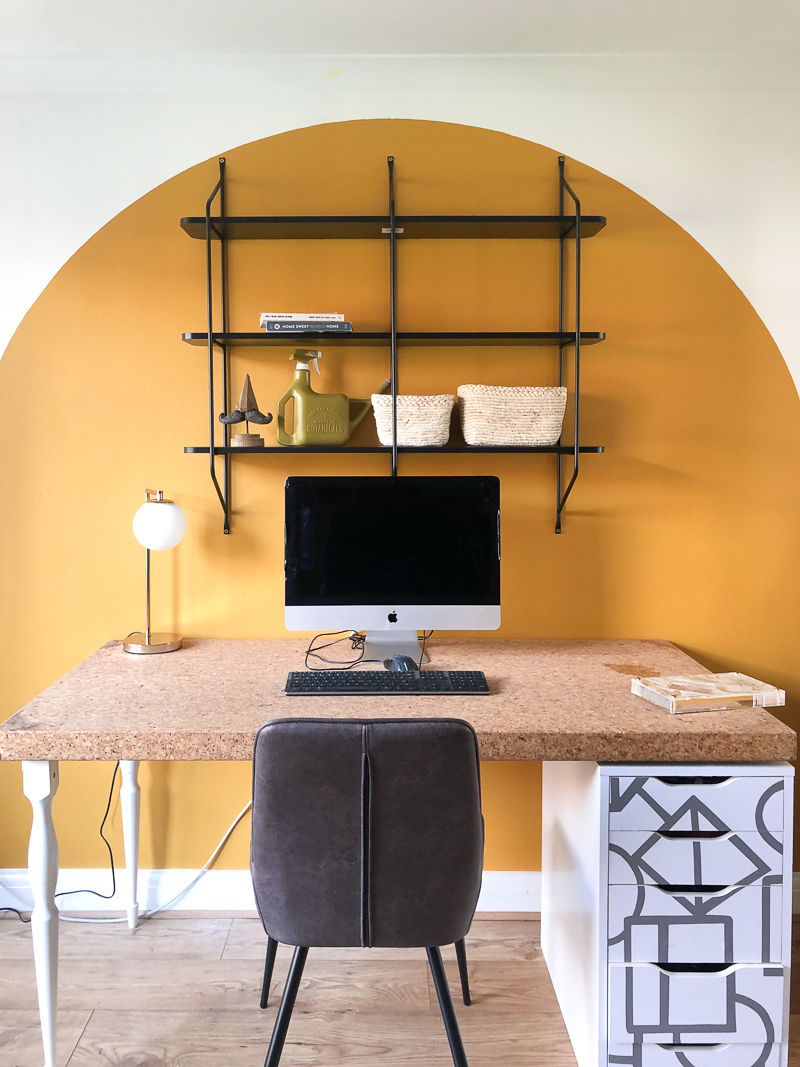
- Behind a desk: gives a work corner a sense of enclosure and purpose without adding any furniture or walls at all.
- Behind a dresser or console: turns an ordinary piece of furniture into the room's intended focal point.
- Behind shelves or a mirror: gives a smaller object real visual weight it wouldn't have against a plain wall alone.
- As art over a couch: the lowest-commitment version, sized and placed more like a single piece of wall art than a full accent wall.
Common Mistakes
- Picking the wall before checking what's already on it. Current guidance is explicit that this is the single most common accent wall mistake, choosing the biggest or brightest wall rather than the one with existing architecture.
- Painting the same wall as your largest window. Documented guidance specifically advises against this, with drenching the whole room as the one named exception.
- Removing tape after the paint has fully dried. The documented method is specific that pulling tape while the final coat is still wet is what keeps the line crisp.
- Choosing a dark, saturated color for a wall that gets little natural light. A lighter texture is the documented recommendation for a naturally dark wall instead.
Common Questions
Do I need any special tools to paint a clean arch by hand? The documented method uses only a straight edge, a pencil, string, painter's tape, and a small brush around three-quarters of an inch wide, no specialty tools required.
What's the single safest color to start with if I don't want to overthink it? Hale Navy HC-154 by Benjamin Moore, currently identified as the most specified accent wall color among interior designers in 2026.
Is it really a mistake to paint the wall with my biggest window? Documented guidance specifically advises against it, with one named exception, a bedroom where that same wall is also the headboard wall, in which case drenching the whole room is the recommended alternative.
Does a painted arch work as well as a real, built niche? For accent purposes, yes, current guidance treats a painted arch as a legitimate way to create the same kind of architectural focal point a real niche does, at a fraction of the cost and effort.
What if my arch is on a wall guests rarely see? Current guidance favors the wall you personally see most from your main living space over the one a visitor sees first, so that's a reasonable wall to choose regardless of visitor traffic.
What I liked most about this project wasn't the finished arch, it was how little there was to lose getting there. String, a pencil, tape, one afternoon, and if it's wrong, it's a repaint, not a redo. That's a rare kind of low stakes for something that ends up doing this much for a room.
Before you pick a color, pick the wall using the actual rule, existing architecture first, biggest window never. Everything else on this list works better once that decision is made correctly.
— written with string and a pencil still sitting on the counter
Shop the Story
- Hale Navy HC-154 sample paint
- painter's tape sharp line
- small angled paint brush
- limewash paint finish
- tobacco brown interior paint
- emerald jewel tone paint